
Crushed by the Giants
 Written over many years and collected in Heart’s Wings, Gabriel Josipovici’s stories suggest that their author is a compulsive type. Alas, this is the only inference they provide, except, perhaps, that he also has a wide knowledge of European literature. This is to be expected from the academic whose recent work of criticism, What Ever Happened to Modernism?, has been the subject of much debate in the press. He knows his Kafka from his Borges, which is clear to anyone who has ever read either; in fact, one starts suspecting he knows them too well to be a good storyteller. The literary greats seem to bear down on their scholar, leaving him no room to express himself with any discernible degree of originality. But then again, it may just be that missing element, whatever name one chooses for it. That which we call a rose…
By Anna Aslanyan.
The Poetry of City Life
All this reminds us that the working class are huge presences in these books. Recent history has made it difficult to even mention working class without being told that either they don’t exist or that underclass is a better way of talking about them. The assumption is always that whoever is talking is not working class. Well here are books of reach and depth that are working-class novels which understand the uncalculated status and strains of physical bodies, of work, of thought, of garrulous aloneness and struggle in a world where money is hard to come by. This is a world where camouflage and strength are required, where being able to shape-shift and be equal to the bar, the street, the night and the grind of hours is stark and obvious. Genuine psychogeographic wandering is undertaken everyday out of necessity as people grub around looking for the work, the day, the energy to make something happen.
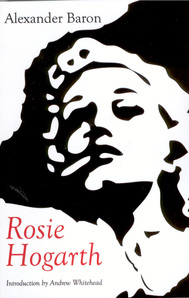
Richard Marshall on Alexander Baron & Roland Camberton.