Ten Elections: A History in Polls
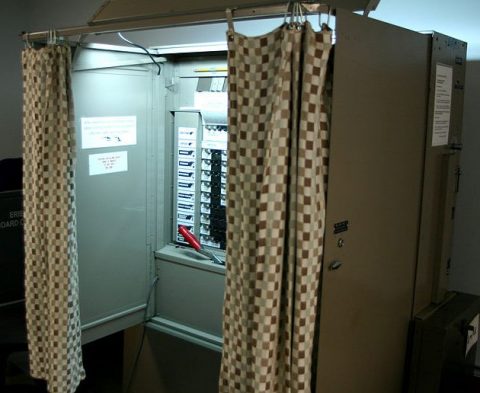
In January of 1988, I was in Nicaragua, in EstelÃ, a pro-Sandinista city. Ostensibly, I was there for an intensive Spanish course, but of course you don’t go to a country at war to learn a language. Estelà was battle-bruised, with bullet holes in the sides of the rough cement buildings, potholed roads, open sewers in the street. There were shortages of food, of toilet paper, of medical supplies. Everyone had stories about the violence that marked the final years of the Somoza dictatorship and the relatives and friends they lost to that violence. The earliest days of the Sandinista revolution seemed a reprieve, a time of relative peace even as the country lay in ruins, but violence spread again as the US provided arms, training, and money to the Contras in the civil war. Reagan is going, the revolution is continuing, read the banner at our language school. We even had a party to celebrate.
By Linda Mannheim.
Thank you Joan: Thoughts on women’s hardness
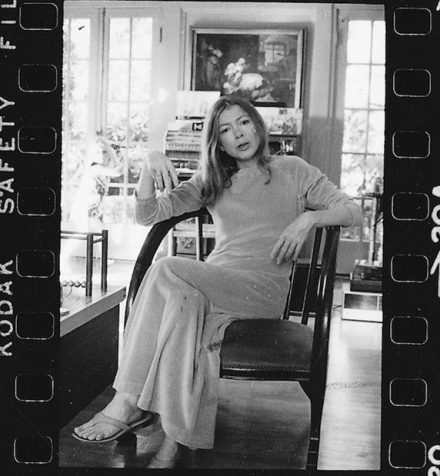
What happens to the body when it churns and churns like a machine? It becomes abstracted. Walter Benjamin wrote a lot about this in the 1920s: the assembly-line menace and the legs of the Tiller Girls. Didion’s prose obviously doesn’t have the same uneasy awareness of impending fascism, a politics which, Benjamin says, follows after perception and reality are untethered in this way, but it’s still a commentary on consciousness and a dissatisfied existence in a decade of social dislocation.
By Emma Christie.
Poem Brut #47 – Unos, Govole and Wads
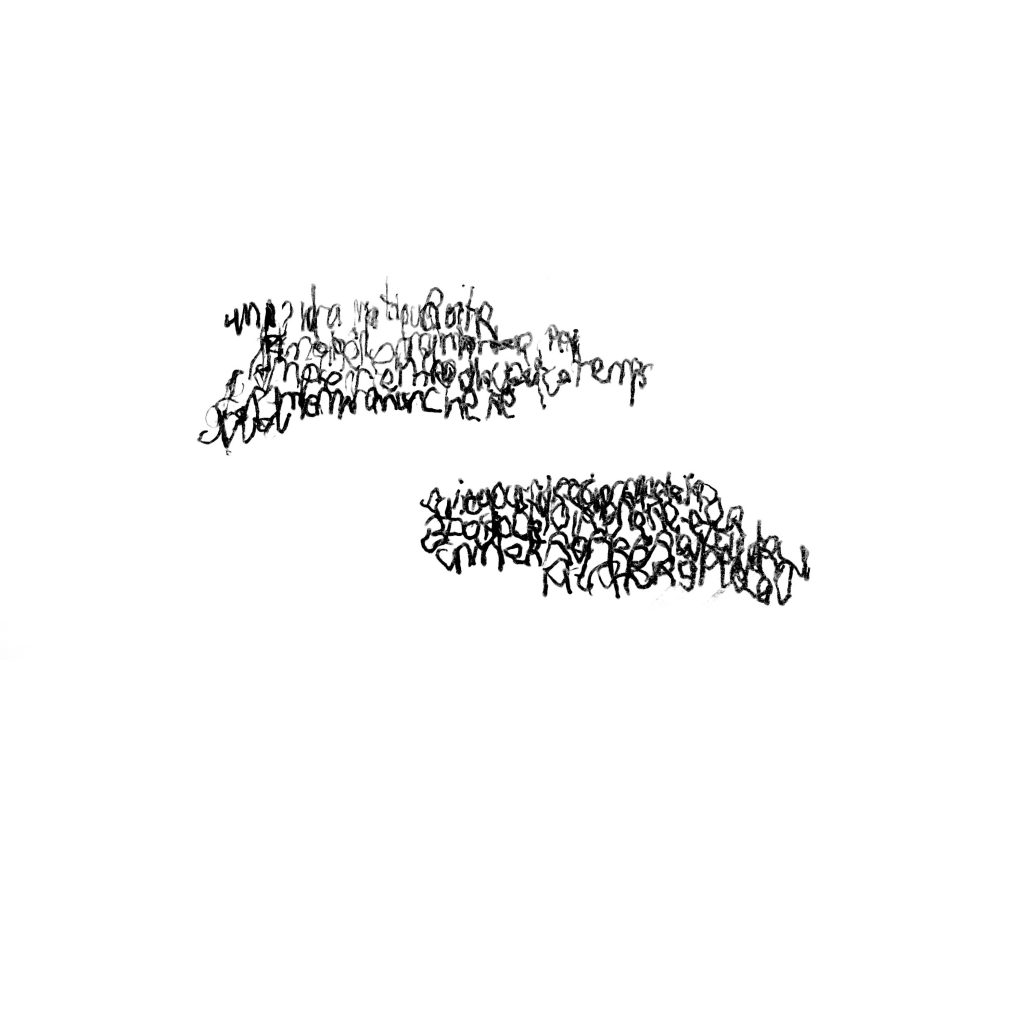
Unos, Govole and Wads.
These poem-drawings are taken from a broader ongoing collaborative writing/transcription project entitled Entonnoir de nous (Les amiti és pliantes) with Montr éal composer Alexandre St-Onge.
In the 47th edition of The Poem Brut series, new poetry by Simon Brown.