
Reading Kafka in the spring in Prague
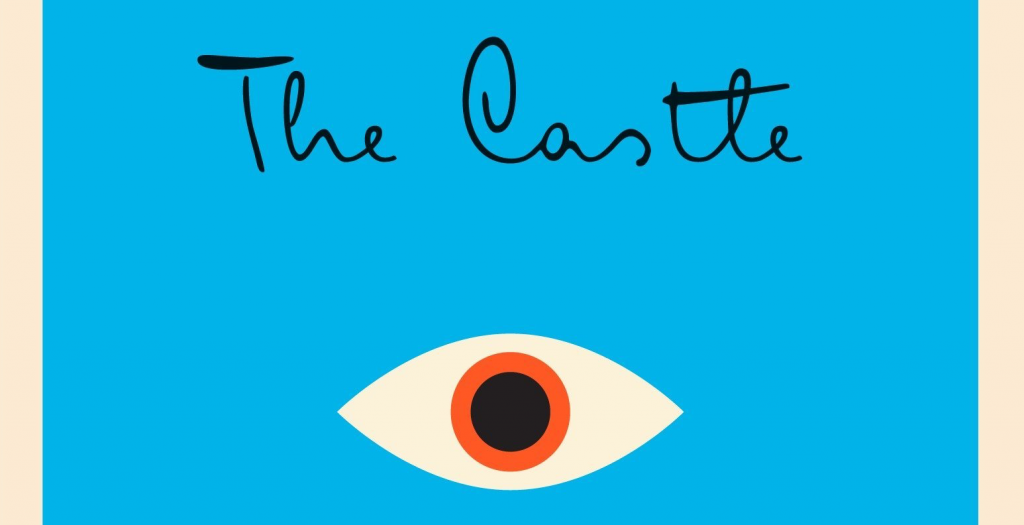
Kafka told Max Brod that K would live in the village until his death; and on his deathbed the castle would inform him that his “legal claim to live in the village was not valid, yet, taking certain auxiliary circumstances into account, he was permitted to live and work there.” This decree sounds like a ruling made by the Tories in Britain or the Trump Administration in the United States on behalf of a desperate migrant or refugee.
Alice Whittenburg reviews Franz Kafka‘s The Castle.
The Runaway Combinatorics of Mac’s Problem

In your standard Vila-Matas outing, a relatively humble, aloofly outcast narrator takes the reader on a tour of a certain subset of literature, culling quotes and anecdotes from a wide variety of texts, while the framing narrative is tinged by some thematic cornerstone relevant to the chosen texts. Bartleby & Co., for instance, follows a mildly aggrieved clerk as he reviews the literature of so-called “artists of refusal,” including Robert Walser, J.D. Salinger, and Herman Melville. The latest addition to his idiosyncratic oeuvre, Mac’s Problem, largely fits this mold, but is one of his looser endeavors. It’s similar in some ways to 2014’s The Illogic of Kassel, but whereas that book was aerated by travel and movement–set in the titular German city during the documenta festival, the book traces its narrator’s wanderings between various abstruse exhibits and avant-garde performances–Mac’s Problem lacks a similar mechanism that might salvage its narrator’s self-involvement.
Bailey Trena reviews Mac’s Problem by Enrique Vila-Matas.