
Reading Faulkner’s The Hamlet in 2020 USA: Part II
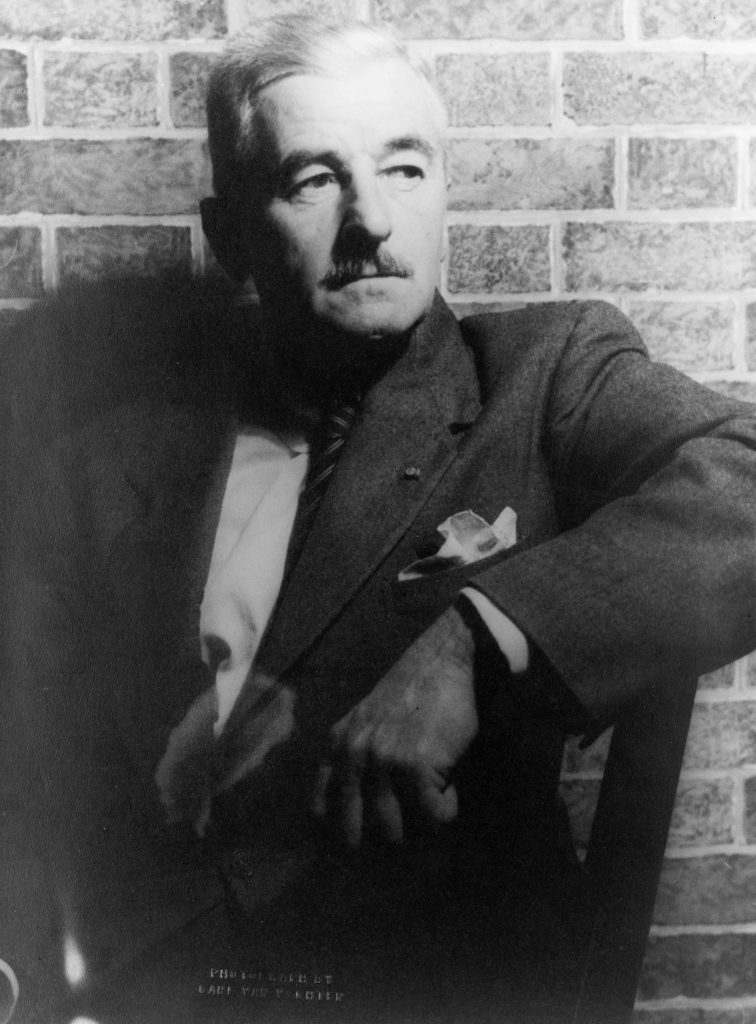
There are searing mementos of the Southern wages of sin in this novel, none perhaps more disturbing than the aside, mentioned in a description of Eula’s lover, who paid a black man so he could whip him. Man’s inhumanity to man (and to woman). His cruelty and depraved sadistic need to be stronger than someone else. Many would like us to cleanse the world of such depictions, preserve our children from these markers of our past, erase the stain and replace it with something more monolithically correct. But Literature–it shouldn’t have to be said, but it does need to be said–teaches us about all of the ways that humans are, rather than just an idealized, cleaned-up version of how they are supposed to be. Great writing, like Faulkner’s, gives us the complexities and makes us more fully human. Great writing, like Faulkner’s, is not essentially dogmatic either, not essentially Moral, but is a lever to open up ethical channels, ways of feeling and thinking, through irreducible aesthetic experience. The more uncensored or un-self-censored the better.
Genese Grill and Greg Gerke read The Hamlet by William Faulkner, Part II.