Journey to the End of the World with Joanna Pocock
So many young, big-city children are being brainwashed. They spend so much time in front of a screen where they are sold a life. They don’t live life; they consume a simulacrum of a life. It makes me incredibly sad. At the same time, my daughter and her friends go on the climate marches and they care deeply about the planet. But I keep coming back to this idea of schizophrenia as the normal state of our world. On the one hand, kids are protesting the eco-cide that is going on, yet they are buying fast fashion and iPhones. It isn’t their fault. They are children. It is our fault. We have allowed this situation to blossom through the idea of exponential growth. We will never solve the climate crisis until we start giving back to the Earth more than we take. Yet, how to get that message across? I don’t have an answer to that.
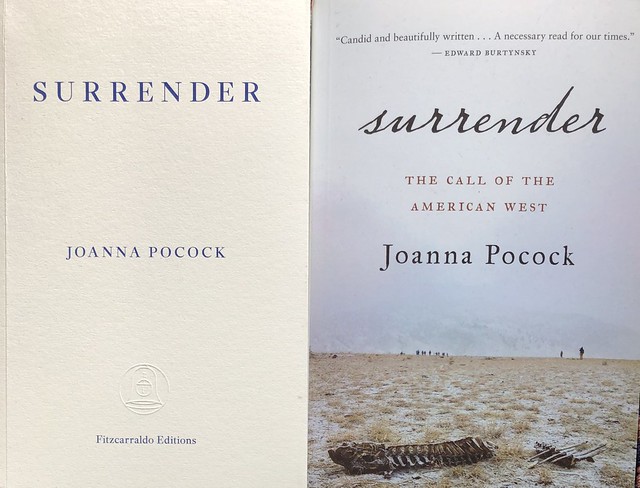
Claudia Bruno interviews Joanna Pocock about Surrender.
Metropolis
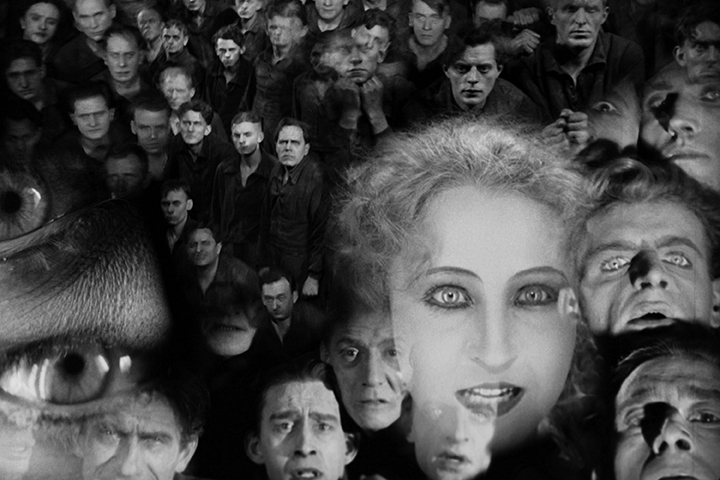
Goebbels thought Metropolis a masterpiece, and it seems Hitler shared his admiration. Recognising its power, Goebbels even sought to bring Fritz on as head of the German film studio UFA, overlooking the fact he was a Jew. “We decide who is Jewish,” the bloodsoaked old cynic is said to have mused. The Nazis’ appreciation has an even more fundamental link. Metropolis was a collaborative work between Fritz Lang and his then wife, Thea von Harbou. Lang was the director and visual master, but von Harbou wrote the script, and the story was adapted from a novel she wrote. While Lang was repelled by the Hitler regime, von Harbou became increasingly sympathetic to the Nazis, later joining the party; one of many reasons for their later divorce. No wonder that one key aspect of the message of Metropolis was appropriated by the Nazis, when one of its creators was a proto-Nazi herself.
Ben Granger on Fritz Lang‘s Metropolis.