A Greater Incompletion: An Interview with Will Eaves
Art isn’t complete, is it? You finish a bit of work and a strange thing happens: as soon as it’s done, it becomes part of a greater incompletion. Better luck next time, and so on. We seem always to want to see things from a contextualising distance. Where does the small-scale achievement belong in the large scheme? One can see how this leads to compound forms – dance suites, stories in chapters, novels in sequence, verse epics, and so on. It’s how the whole idea of a meaningful story is built to begin with, from suggestive parts. But putting little shapes in bigger shapes, or sets, like Lego, is also a kind of melancholy infinite progress, another way of engaging with the incompleteness of life. We never get to say, after death, “that was it, my life, that thing over there”, because the person to whom this profound realisation might have occurred has died.
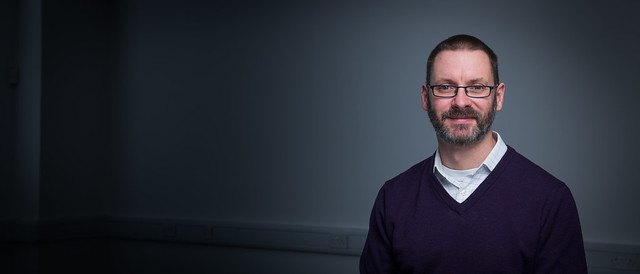
Will Eaves is interviewed by Oscar Mardell about his new book, Broken Consort.
‘And now we are no longer slaves’: notes on Eden Eden Eden at fifty
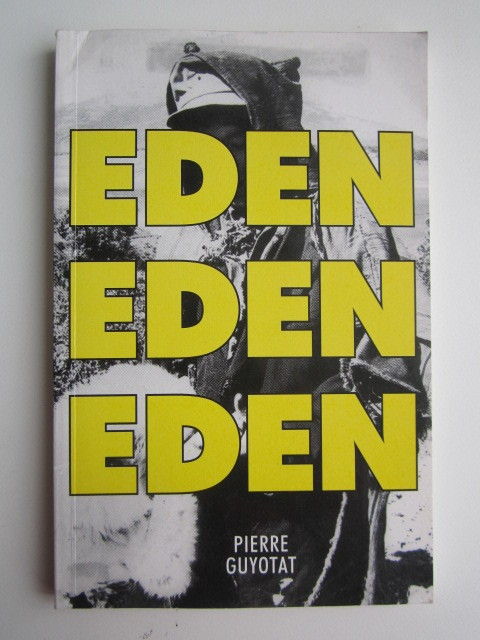
This collision of forms, figures and organisms coalesce to enact a universe affirming itself. Sex becomes the equaliser of an onslaught of savage and sonorous frequencies. Figures fall into animality, adrenaline, majesty, warfare, abyss itself. A radical attack on literary systems, the ‘Saharan fiction’ of Eden Eden Eden brings forth a new writing, and therefore, a new reading. Unbound, the text becomes aural in its cadence, commanding to be read aloud, recited, chanted; sending the prose backwards, forwards–the flesh of war constantly recomposed.
Scott McCulloch on Eden, Eden, Eden by Pierre Guyotat on its 50th anniversary.