Minute 9: The Green Knight

We open with a harsh and demonic voiceover: ‘Look, see a world that holds more wonders than any since the Earth was born. And of all who reigned o’er, none had renown like the boy who pulled sword from stone. But this is not that king, nor is this his song.’ The film’s first image is Gawain as a hieratic figure in tableau vivant: an icon throned and crowned, bursting into flames, fit for a tarot card. But what of his uncle, the famous Arthur? By the time we meet the wielder of Excalibur we find his boyhood long behind him. The Green Knight takes place in a belated time, and a world grown old and weary, but we’ve been promised ‘an adventure brave and bold.’
Alexis Forss on The Green Knight.
A Fantabulosa Feat
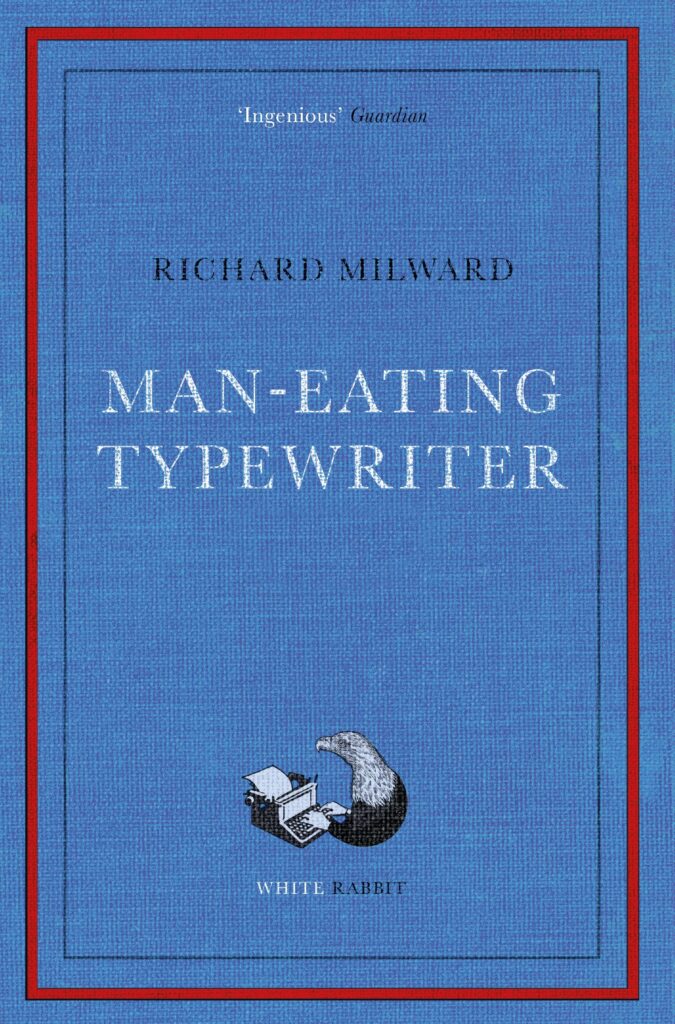
Reading Man-Eating Typewriter’s lurid depictions of gang rape and sexual abuse makes you wonder, what is the point of this atrocity porn? One point is era-specific: “girls in the 1960s often felt grossly under pressure to bend to the new ‘laws’ of the Permissive Society, to offer themselves up as free sex objects rather than face rejection as squares: to conform to nonconformity.” Milward punctuates Novak’s fiction with this cultural history to show a time of failed experiments and misplaced beliefs, in which a sexually frustrated “Dicktittler” like Novak could thrive. Sexual liberation becoming sexual exploitation. Religious cults becoming death cults: “Monday, 1st December 1969 – 224 days to go. In the early hours that morning, news broke of the ‘HIPPIE KILL CULT’ arrested in California for the Tate/LaBianca murders.”
Jonny Aldridge reviews Man-Eating Typewriter by Richard Milward.