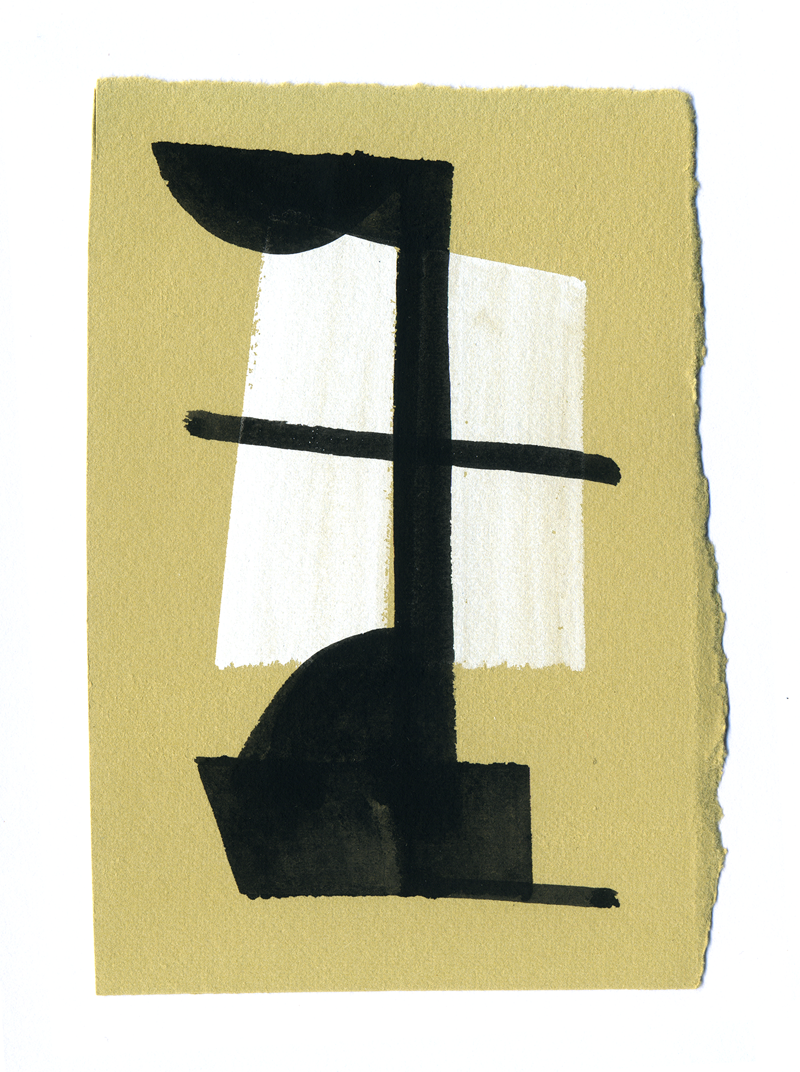
Lesbian Attic
“Not an attic full of lesbians, Lesbian Attic.”
New fiction and art by Roman Muradov.
Artistic Differences
It’s The Buzz, Cock! By Linder (2015), Courtesy of Stuart Shave/Modern Art, London Artistic Differences 29 Jun 2016 – 4 Sep 2016 Entry with Day Membership To coincide with the Lower Gallery exhibition Judy Blame: Never Again (29 June – 4 September 2016), which features designer Judy Blame’s work since the 1980s, Artistic Differences in the Upper Gallery aims to present Blame’s work within a wider artistic context, drawing on connections in the art and design worlds in the UK from the 1980s and 1990s. Artistic Differences brings together artists and designers that have been directly linked to Blame throughout
Monsieur de Bougrelon
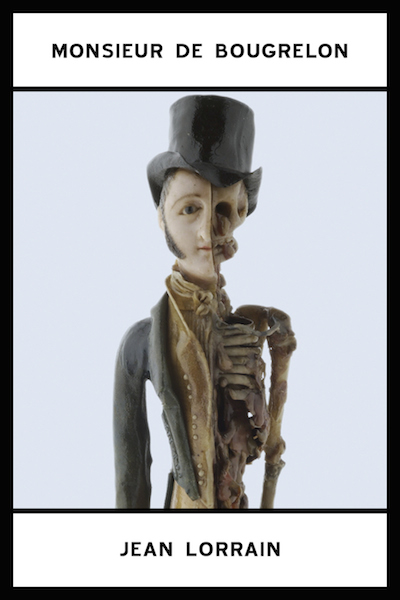
FOR IMMEDIATE RELEASE Spurl Editions is pleased to announce the November 1, 2016, release of the novel Monsieur de Bougrelon by Jean Lorrain translated by Eva Richter “I am taking you to the brothel, Messieurs,” declared the old puppet, “but the brothel of memories. There you will submit, and with the sharpest desire, to women you will not even see, to a deceptive obsession. I am taking you to the cloakroom of the dead. Standing before scraps of fabric, before dresses that will be empty forever and bodices of nothing, before the old rags of centuries and the tatters of

The Candidate
The inside story of Jeremy Corbyn’s extraordinary ascent to leadership of the British Labour Party A lifelong and outspoken socialist, Jeremy Corbyn only managed to get on last year’s ballot for the leadership of the Labour Party after his supporters begged for nominations from MPs who subsequently declined to vote for him. He did so at a time when even his closest political allies saw little hope for progress by the left. In the immediate run-up to the election the now-Shadow Chancellor John McDonnell wrote “This is the darkest hour that socialists in Britain have faced since the Attlee government
Network Externalities and the Disaster of Brexit

A welfare state can be used as a form of social investment that boosts employment and the economy, whilst funding good education, family and labour market policies. Providing accessible childcare enables more women to enter employment. Employment creates more employment, a virtuous circle increasing the tax base. All these achievements are real. They are not wishful thinking. Yet the neoliberal orthodoxy hides their accomplishments, and the entrenched interests of corporate elites have such influence on politicians that instead of moving towards such models, governments have been moving towards neoliberalism — even in the more socially democratic countries themselves.
Andrew Brower Latz reads Colin Crouch vs Neoliberalism.
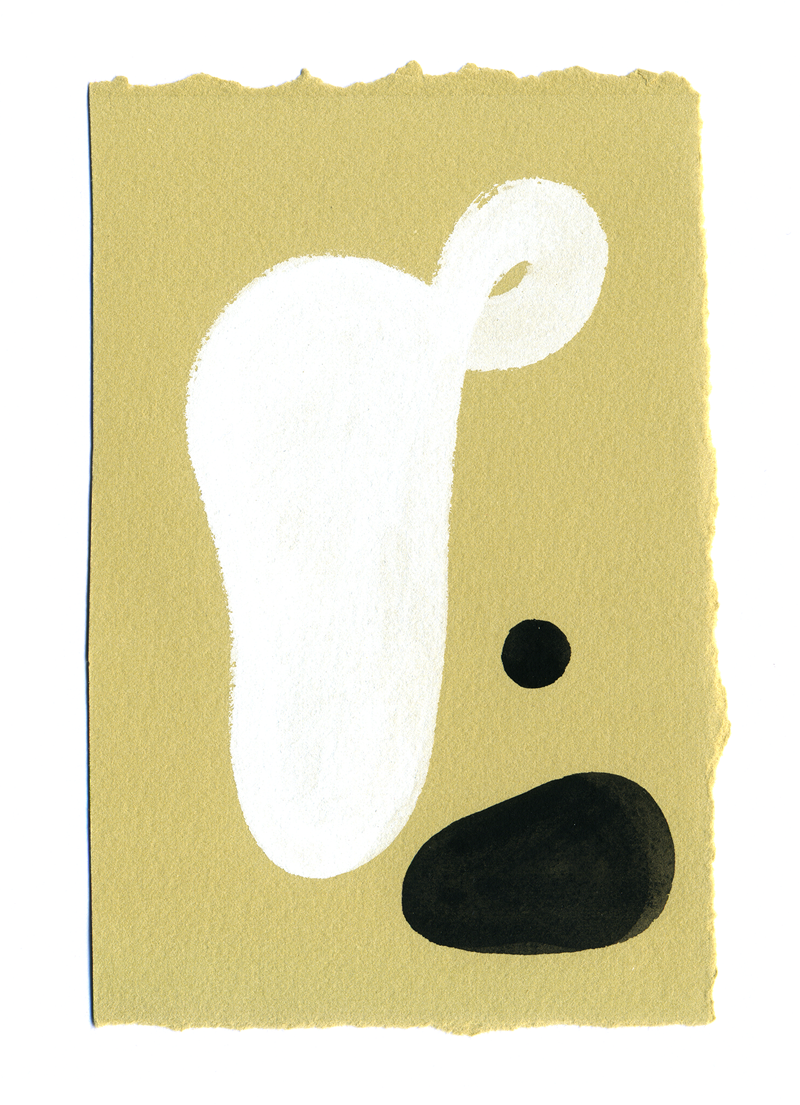
First Love
“I got my first venereal disease from my first girlfriend. She got it from her third boyfriend, whom she was dating concurrently with her second boyfriend (me). Later she confessed that she’d been dating him before she started dating me, which chronologically downgraded me to her third boyfriend…”
New fiction and art by Roman Muradov.
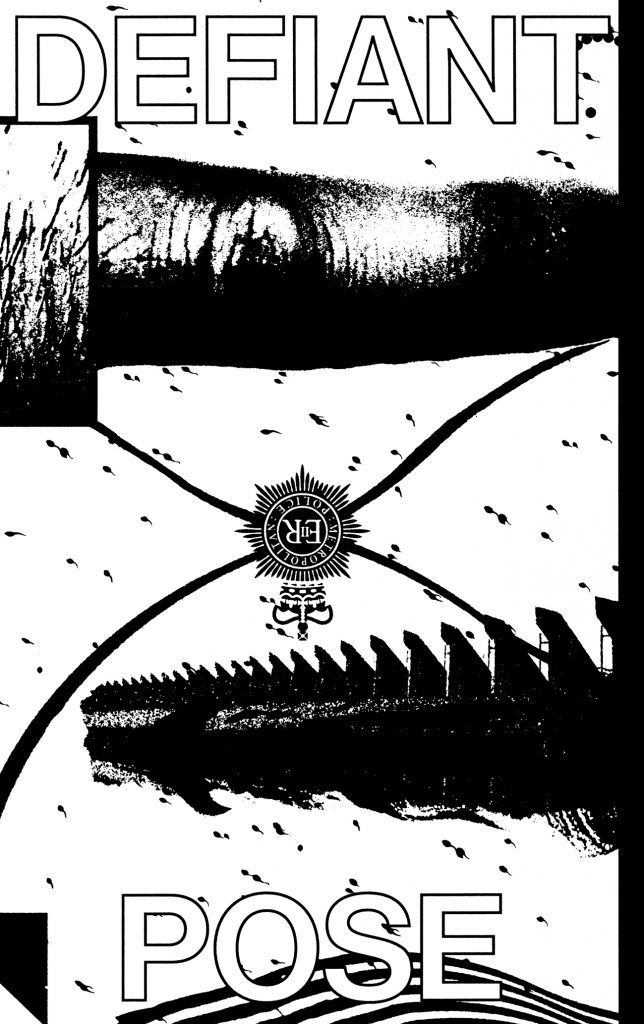
600 Years Of Defiant Pose
At the fag-end of the 1980’s … writing’s anti-authorial, anti-purist, anti-linear, anti-referential and deeply linguistic character was something in the air then. It was an update of Joyce’s ‘polyglottal’ ‘Wake’ project, a sexier, more chic version … that works with and through language, a clash of two codes, textual and bibliographic, but with a further density to the polysemy and plurivocity added, that of a fragmented elucidation. Acker and others – Bill Burroughs was another clear example – were writing monsters of subversion where theme, narrative, character and plot were their targets. Words were no longer subject to the equation that they meant just one thing, or even one cluster of things. Meaning was now just an effect of language not of anything lying within or behind it. Authorial intention and determination was eroded and instead labyrinths of possibility and acrostic sampling were being produced in a kind of hip, punk slippage to indeterminancy. The improvisory, intermedial experience of reading became a biological-emotional state of hyper-real decision making and play.
Richard Marshall reviews the 25th Anniversary Edition of Stewart Home‘s Defiant Pose.

An Introduction to Schizoanalysis
Drawing from the work of Nietzsche, Marx, and Freud, schizoanalysis is a revolutionary political process that seeks to expand upon Reich’s materialist-psychiatric critique of psychoanalysis so as to include the full scope of multiplicitious social and historical factors in its explanations of cognition and behaviour in order to map and thus undermine the causal groundings of fascism.
A.T. Kingsmith on Schizoanalysis.
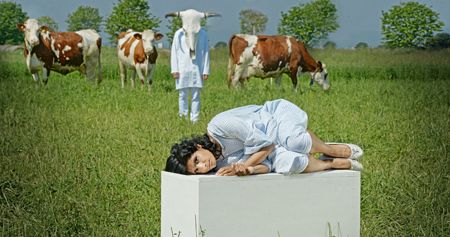
Sleepless
Analogue present Sleepless Thursday 1 – Wednesday 14 September at Shoreditch Town Hall A woman lies awake. Pupils like pinpricks, skin saturated in sweat, the odd jerk of a muscle. She hasn’t slept for 3 months. She knows what is happening to her and there’s nothing she can do. Sleepless is inspired by the true story of a family cursed with a rare genetic disease that cruelly deprives its victims of sleep until they die, known as Fatal Familial Insomnia. When Cosima starts showing strange and sudden symptoms in the wake of her mother’s unexpected death, she embarks on a

Portals of escape: A review of Counternarratives by John Keene
Taken as a whole, the book reads as an alternative literary history, moving from slave rebellions in the early Americas to the development of Black Atlantic modernism before ending in a nightmarish vision of contemporary globalised suffering.
Tim Groenland reviews Counternarratives by John Keene.
Reacting against limitations, rejecting capitalist realism

Reacting against limitations is part of the Repeater Books philosophy. Their vision calls for a rejection of ‘capitalist realism’ in favour of writing which combines ‘vigorous dissent and a pragmatic willingness to succeed where messianic abstraction and quiescent co-operation have stalled’. They dismiss the idea of the artist existing on a plane removed from the everyday: ‘abstention is not an option: we are alive and we don’t agree’. In terms of style, they oppose the ‘fashionable cynicism, egotistical self-reference and nostalgia for the recent past’ which plagues 21st Century arts and letters.
By Thom Cuell.
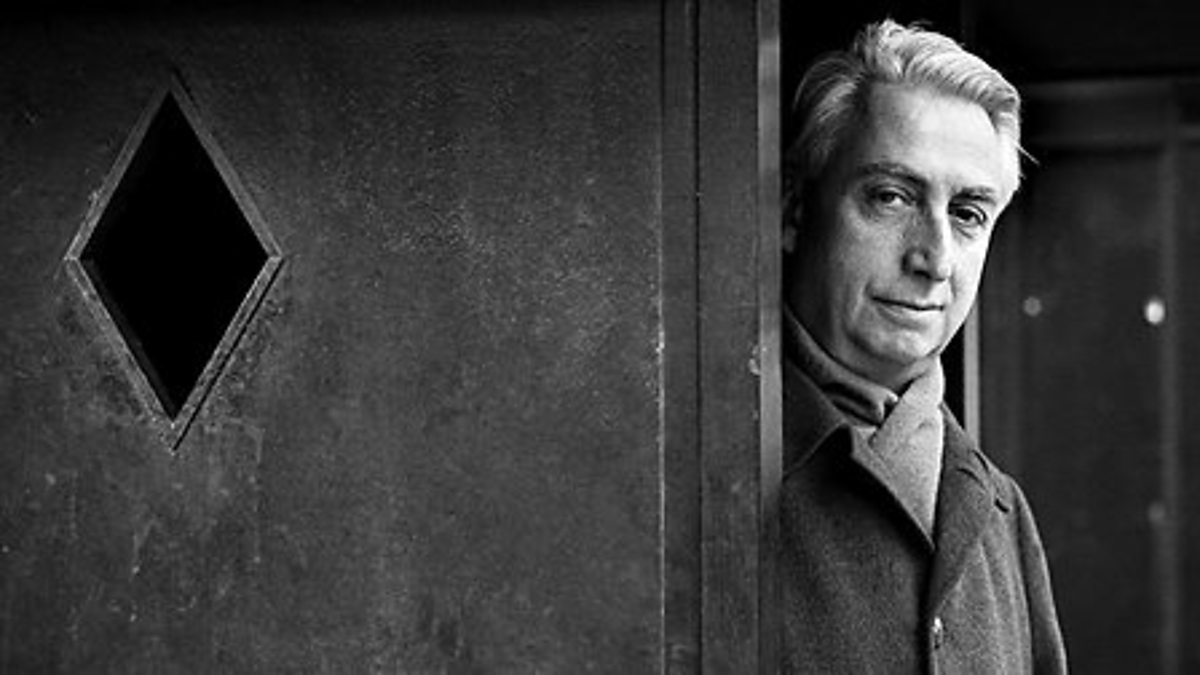
Thinking Images: More Barthes, More Jouissance
Barthes, however, does not view the image as either harmful or beneficial. On reflection, harm-or-benefit is a binary too simplistic to capture the process whereby things mean something. Instead, Barthes seeks to understand how and why the very idea of semantic proliferation is constitutive of the formation and growth of human understanding.
Leonid Bilmes on Roland Barthes‘s Signs and Images.