Jimmy Cauty Riot In A Jam Jar
Jimmy Cauty Riot In A Jam Jar at Modern Panic Newspeak House, 133-135 Bethnal Green Road 6th – 14th October More details on the Modern Panic website
Billy Childish at Frieze
Billy Childish at Frieze London with Carl Freedman Gallery Booth B18 Regent’s Park 6th – 9th October More details on the Frieze website

Of MacArthur Grants, Regimes of Visibility and Meritocratic Orders
If one examines the list of those to whom the MacArthur Foundation awards its ‘Genius’ Grants of $625,000 each year one quickly discovers two very evident things. In the first instance, those receiving awards in the humanities and in the sciences are almost without exception professors at leading research universities. In other words, they are already in positions where the work that they do, “the genius” that they enact, are supported in the best ways possible… In this sense, those who consistently receive MacArthur Grants in the humanities and even more in the sciences do not need MacArthur Grants.
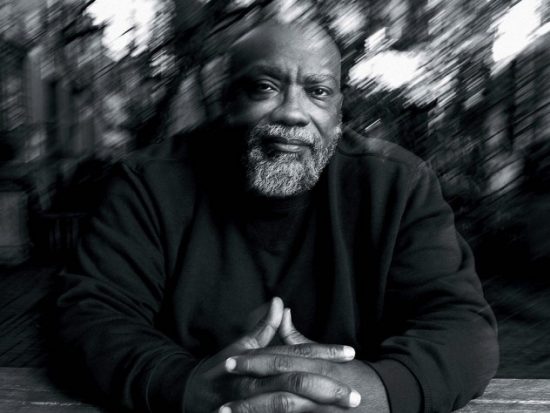
Steve Light reflects on who needs support grants and reading the poet Wanda Coleman.
EVENT: Ben Lerner at the RCA
At 18.30 on Monday 10 October, Hatred of Poetry author Ben Lerner makes a rare London appearance at the Royal College of Art’s Kensington campus.
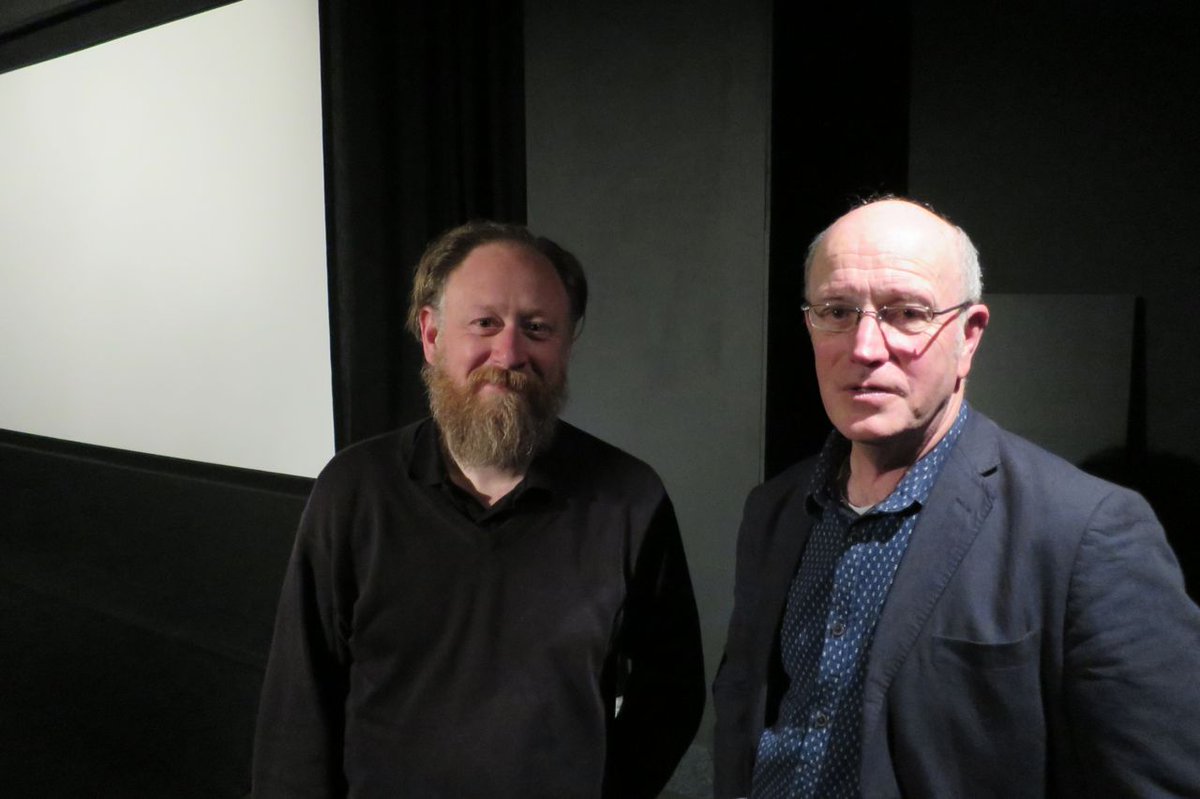
The Other London Perambulator: John Rogers
There were a few cases of consciously not recreating things in the book. For example, there’s a wonderful section in the book about Iain’s relationship with Angela Carter. She’s great. When I interviewed Iain about the book, I was really curious about that because that is another London that doesn’t quite exist anymore, a literary London. It’s kind of dead really, at least in that form. So he’s still book dealing, and she can do a profile on him in the LRB and that can have transformative effects. What I loved about it is that there’s a lunch in Bloomsbury to celebrate an article in the LRB and that just doesn’t happen now.
Adam Scovell interviews John Rogers about his recent London Overground film with Iain Sinclair.
from A FURTHER WITNESS

into the
homeless state
the lines
of poets
move
not hardened yet
into belief
& other acts
of cruelty
New poetry from Jerome Rothenberg.
John Berryman 1970s Interview Misheard & other poems

John is very unwell.
Imagine the entire world drunk.
Every relative every stranger every tree in Alaska every tree in Germany every tree in Brazil drunk.
Every cob-web every bird every earth-worm every heave of every sea drunk.
There’s the innocence of an inside-out day-break.
The grease of his beard growing into his mouth.
He thinks he’s saying what he thinks he’s saying but is only hair mumbling.
He’s utterly compelling.
He’s got an inquisition raptoring up his spine.
New poetry by Paul Leyden.

The Empty Hourglass: Mike Kleine’s Cosmology in Kanley Stubrick
Kleine’s novella-in-verse achieves ephemeral constancy through the use of the fragment as a signal for filmic cuts. Part of the anchoring effect of Kanley is due to its treatment of both the continuous and the discontinuous: “This new and mysterious dream. / where / everything feels like it is burning” confronts the startlingly-contemporary observation “it’s like real lyfe”. Scenario, rather than plot, guides the movement of Stubrick.
E.G. Cunningham reviews Kanley Stubrick by Mike Kleine.

Let’s hit the road, Terror: A review of Dodge and Burn by Seraphina Madsen
Mesmerising, episodic, full of wonder and very cool dialogue (“Let’s hit the road, Terror”), Dodge and Burn is deeply committed to exploring the possibilities of language and describing unconventional experiences.
Jude Cook reviews Dodge and Burn by Seraphina Madsen.

Lady Maisery
Although they are firmly located in the contemporary folk scene, they are not contained by it: when I first came across them, at a time when they were still testing their convergences and limits, they put me in mind of the Swingles performing Berio, or the Raincoats on Odyshape.
Paul Holman reviews Lady Maisery‘s Cycle.
Through cellophane darkly & other poems

Ketamine karoake
and her form is done.
You have to pay
to see
New visual poetry by Sarah James.

Derrida’s Seminars: Writing Before Writing Before the Letter
After beginning with the end, we have ended up at the beginning. The newest of Jacques Derrida’s seminars is the oldest yet published. Encountering deconstruction in the context of this newest older publication can help to shake our conviction that we know what was meant by it.
Jonathan Basile on Jacques Derrida‘s newly published seminar.