By Robert G. Penner.

After we sent the billionaires to Mars we sent the managers up into the mountains to plant trees and out onto the prairies to sow wildflowers, and although later the new forests grew up in unexpectedly tidy rows and the milkweed and the columbine and the goldenrod and the bergamot were all organized by color no one really minded, certainly not the bees. We were poorer, it is true, but even those of us that had been very comfortable before had to admit it was a better arrangement, that it had to be done, that once things began to change for the worse as they did, we all just needed to get used to being poor together. I felt sadder for the people who had never been as rich as I had been and could now never hope to know what it was like to see a sunset on a beach a thousand miles from home, or go skiing in the Rockies, or even to have a little piece of land to call their own, than I did for those who were even richer than I was, and who lost cottages and jet skis and walk-in closets and millions and millions of air miles, but that was just me. Some people felt more sorry for the rich folk than they did the poor and I get that too.
The artists were much happier of course. Perhaps the happiest. And suddenly there were a lot more of them than there used to be, more than we knew what to do with to be honest. Everyone began writing novels and composing symphonies and reciting epic poetry in dead languages. Everyone. We all put in our weekly shifts and then the rest of the time we scribbled and painted and filmed and animated and quilted and welded and improvised and carved and sang and so on and so on and so on with hardly a pause and certainly never a thought to audience and marketing and distribution and the dreary business of building a brand and attracting followers on social media, and as a consequence of this, a great deal of art was produced which no one ever had the time or even the inclination to enjoy because there was just so much of it constantly accumulating and much of it was so idiosyncratic and personal, or so derivative and pointless, that it would never be of interest to anyone except the artist who produced it—and them for not long—so we didn’t know what to do. We ended up putting it all in the warehouses that used to hold mattresses and washing machines and car parts, but it felt like we were sidestepping some important social and cultural issues, so we brought a few of the managers back and said: “Here. Organize this lot. Make it meaningful.” And they did.
They put the art in those colossal Amazon redistribution and Ikea product centers which were still scattered all over the world, and they repurposed the robots and drones that had been designed to exterminate invasive species like zebra mussels and purple loosestrife and fire ants and pigeons, to identify art by type and genre and style and what have you, and these machines would organize it all and log the individual pieces in this global system the managers called Spiritus Mundi, and then the managers turned the algorithms loose on it, and did something called data mining, and produced papers and analyses and theorized about the structure of the human mind and the purpose of art and how to make it useful but no one except the managers themselves ever read this secondary material and no one except a few perversely voyeuristic eccentrics ever went to the warehouses to enjoy the art, to see it or listen to it or even simply admire the bewildering volume of creative energy released by the emancipation of the human spirit. Most people just kept creating art willy-nilly and then calling the robots to come collect it so it could be archived in Spiritus Mundi. Eventually of course we had to build more giant warehouses than we had been left with, and then more and more, and they started encroaching on the spaces reserved for us to live in, and the vast expanses of wilderness on which the health of the planet depended, and so we had to put an end to the whole program and return the managers to the forests and the prairies where they had been doing such good work prior to our interrupting them and we told the artists, told ourselves really: “No more things!” No more permanent things anyway. From then on you could make as much music as you liked, make up absurd stories and pretty songs, for yourself or to share, and organize your words into rhyming schemes, even draw pictures and perform plays and pile up rocks into pleasing shapes or what have you, so long as whatever objects you had manipulated to create your art were returned to the place where they had started at the beginning of the day. No physical manifestation of your creative impulse was permitted to persist outside a human brain for longer than twenty-four hours, and that seemed to solve the problem to everyone’s satisfaction. We all kept making art if it so pleased us, and for the most part it did, but we also stopped creating such a godawful mess.
ABOUT THE AUTHOR
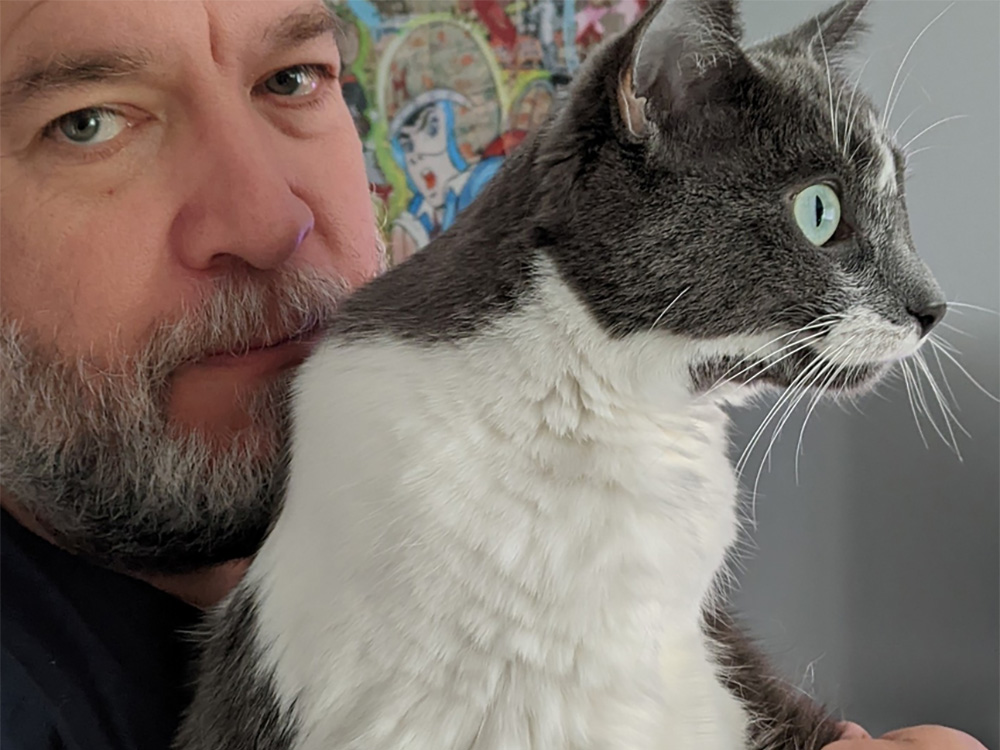
Robert G. Penner has published numerous short stories under various pen names in a variety of publications, most recently North American Review and Sundog Lit. His third novel Notes on a Colonial Situation in Hell will be published in autumn 2026 by McNally Editions.

