
By Steve Finbow.

The low rumble might have been a gathering storm, or the rhythmic drag of luggage over concrete – perhaps the suitcase of an Aeroflot stewardess, flushed and breathless from a post-flight fuck in the terminal toilets at Heathrow. Regardless, the sound breached his dreams. He lay naked and feverish in the dark, tracing the laparotomy scar that meandered from his sternum to his pubis like a string of alien rubies, contemplating the insectoid neuroses gestating within his sutures.
The scar and its synthetic monofilament sutures served as the blueprint for an impossible metropolis, its keloid ridges rising into serrated spires that defied human geometry. Under his fingertips, the skin pulsed with a cold, metallic autonomy, suggesting a labyrinthine city designed by a malign intelligence – or a hydrocephalic child – to house the anxieties colonising his adhesiolytic abdomen. He sensed the surgery as a structural intrusion – the implantation of a sightless, erotic citadel within the interstitial tissue of his core. He imagined the sutures tightening – tension cables, anchoring this parasitic architecture deep into his viscera, preparing his frame to serve as the shuddering host for a future anatomy that he could no longer recognise as his own.

Beyond the room, the corridor air hummed with the scent of a pressurised airline cabin, a phantom atmosphere maintained by nurses who glided past like resected angels; they arrived in waves, their vermilion-red uniforms crisp, tight white blouses, the pennants of their neck scarves, their pillbox hats cocked and locked to their lacquered hair, starch-stiffened facsimiles of the mid-century stewardess – all severe silhouettes – navigating the ward as if it were the narrow, claustrophobic aisle of a Boeing 747 long-haul flight. They brandished their medical equipment – the sphygmomanometers, the oxygen saturation probes, the tympanic thermometer – as if they were celestial navigation beacons. He watched them with a terrified, carnal reverence, convinced the thin veil between his hospital bed and the airline cabin’s galley had dissolved; and the plastic tubing filled with unidentifiable bodily fluid snaking from his side were fibre-optic umbilical cords connecting his new alien physiology to a neoteric global relay, ensuring his internal decay was being transmitted into the silent telemetry of the synecdochic stratosphere.
Later, when he had crawled from the catagenic processes of ancient dreams, he realised with a jolt of claustrophobic revelation that the theatre of his recovery was a cradle, and he was the final, derelict Adam of a dying era, and that his scar was a biological airlock, the aperture through which the next iteration of humanity must be forcibly manifested, a new form of hyperplasia in the medullary of his organs. He felt the weight of his isolation; his shivering musculature a planetary surface designated for the genesis of a species engineered from the stellar remnants of neutron stars, white dwarves; his umbilicus, a primordial black hole pulsing from microscopic to a million solar masses. The pain in his abdomen shifted from a clinical affliction to the rhythmic, preparatory contractions of a gestation chamber, tasked with seeding the empty cosmos with children born of stainless steel, cobalt, titanium, antiseptic air, and the harrowing soft geometry of his reconstructed flesh.
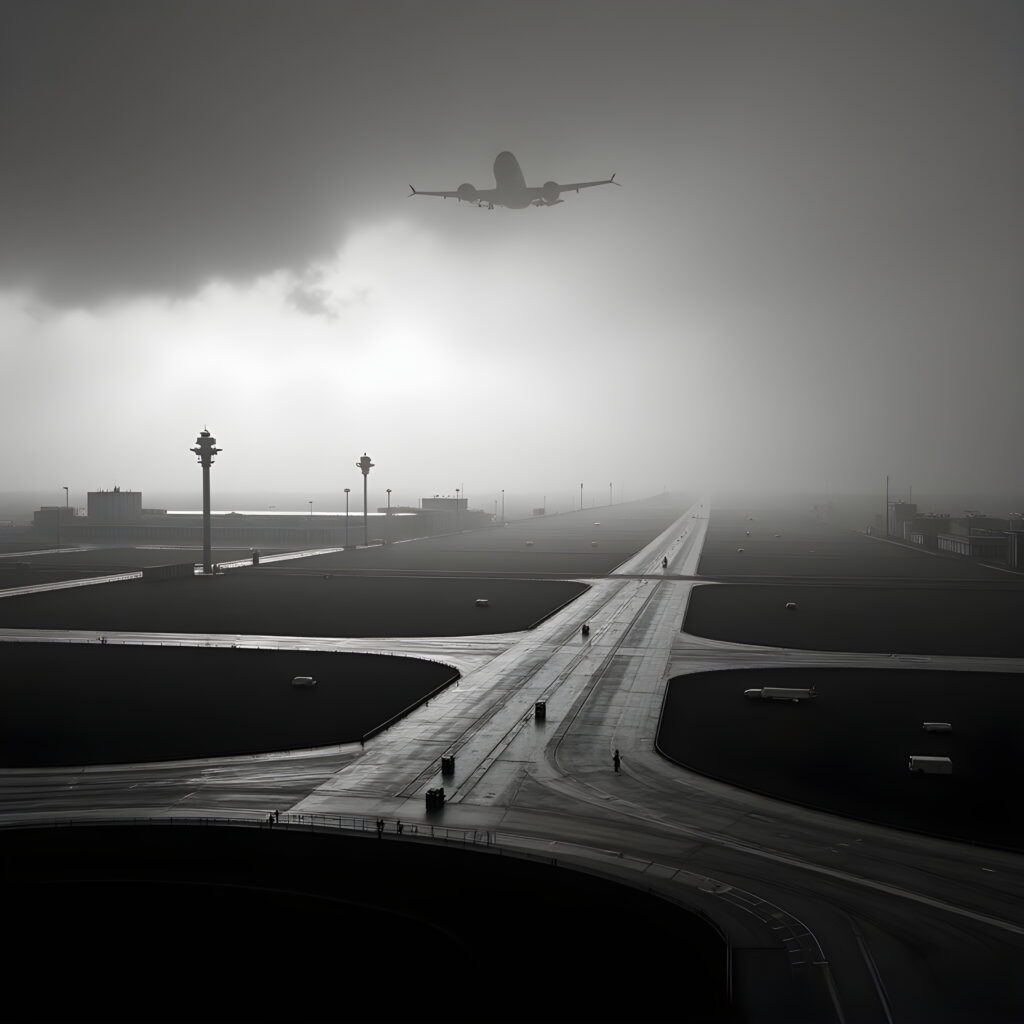
At some time after midnight, with just the beeps from the monitors, and the acute ticking of a clock, the white-coated female surgeon leaned over the bed, a sharp, Russian-inflected linguistic scalpel projected the woman’s brutal cosmology. She dismissed his ranting, his soaring visions, as cognitive debris, the chemical residue of deep sedation and the invasive immune dysregulation of sepsis. Her gaze fixed on the jagged line of his abdomen with a cold, diagnostic indifference, reducing the complex topography to simple biological error. She equated his profound, apocalyptic revelations with the random misfiring of neurons suffocating in a toxic bloodstream. Her sterile observations regarded the entire cryptic architecture of the fever – the stellar conduits and the angelic flight crews – solely as an internal distortion, an agrammatism of pain generated by a dying machine attempting to interpret the sensory static of its own breakdown.
As consciousness receded, the white walls of the intensive care unit dissolved, and he surrendered his monomaniacal thoughts to the crushing gravity of a pharmacologically induced coma. The riverine scar fractured into a geometric contagion that raced across his bloated torso, blooming into a bioluminescent web, a metastatic leprotic kaleidoscope. Every suture point ignited, hardening into a throbbing, crystalline neuron linked to an invisible new cardiovascular grid. His failing pulse became a rhythmic burst of data, broadcasting his internal landscape outward through the hospital’s medical information system into the global infrastructure of the World Wide Web. He was slowly transforming into a planetary transmitter; the network pulsed with the raw, frantic language of his dissolution, sending his nociceptor signals screaming through the earth’s crust to align with the flight paths of the silent, waiting Boeing 747s, stealth aircraft, and the Guowang and Qianfan satellite constellations above.
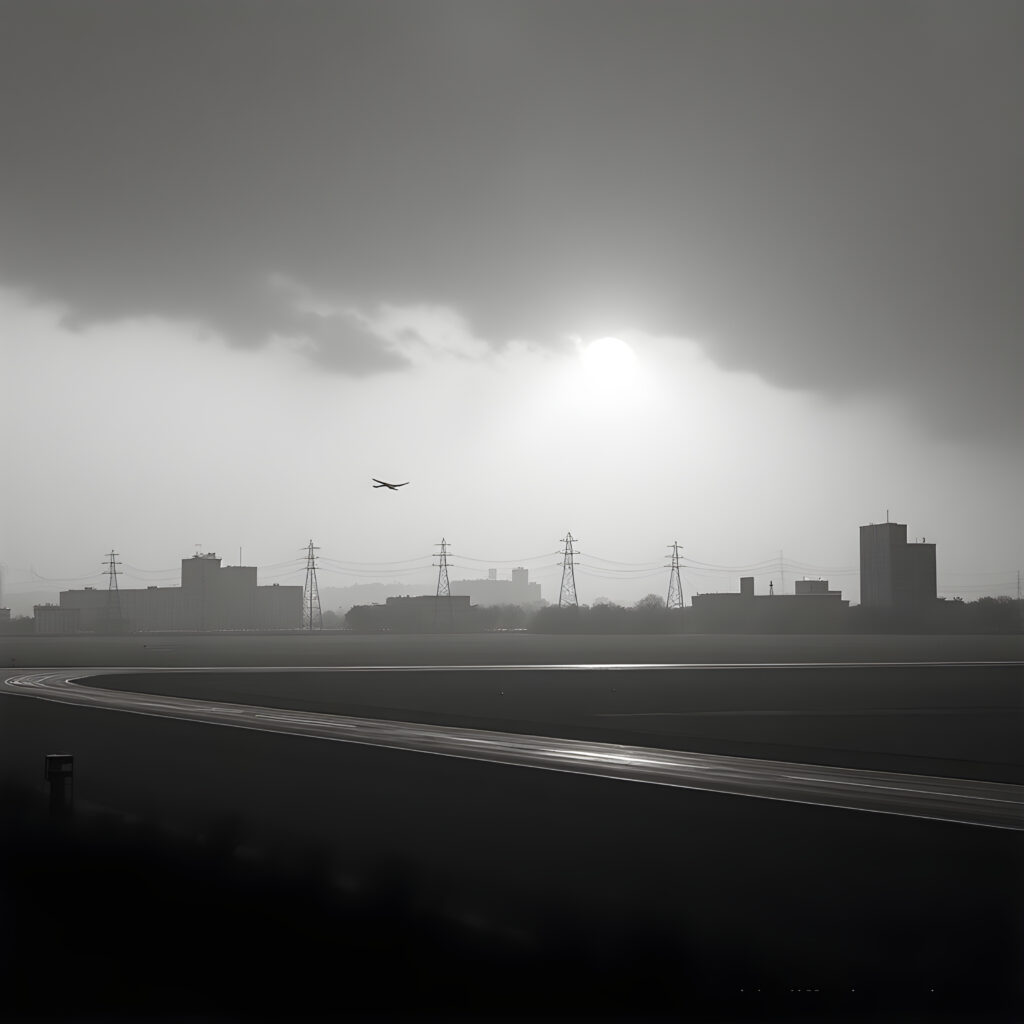
When he finally surfaced, the claim of discovery withered into a pathetic irony, the vast expansion he sensed constrained entirely by the four-walled tomb of his Feltham bedroom. Swirling neural winds and the audible rush of his infected blood were echoed and amplified in the multiple low-frequency drone of arriving and departing jet engines, the exhilarant descent of airliners bound for the burning asphalt veins of nearby Heathrow. The glow in the sky, an amber teardrop enclosing the land and sky between Shepperton, Feltham, Hillingdon, and Harmondsworth, the Hilton, Ariel, Excelsior, and Skyline hotels, air bubbles in the luminescent resin.
The bedroom served as a residual blastosphere, and a shrine to his splintering psyche, the magnolia-painted plaster walls obscured by the desolate, reticulate shifting horizons of his obsession, like the interior of a solitary manned craft on a mission to the MOMO‑z14‑1 galaxy. Above the bed, the dreamlike, calcified plains of Yves Tanguy’s The Hand and the Glove bled into the biomorphic, chaotic spectral circuitry of Roberto Matta’s Invasion of the Night, their phantom depths mirroring and yet mocking his new internal geography. He reached up, felt the newly generated capillaries strain and burst as his fingers brushed only the framed, jagged terrors of Max Ernst’s The Eye of Silence, its stillness seeming to adhere to the stagnant air of his sickbed.
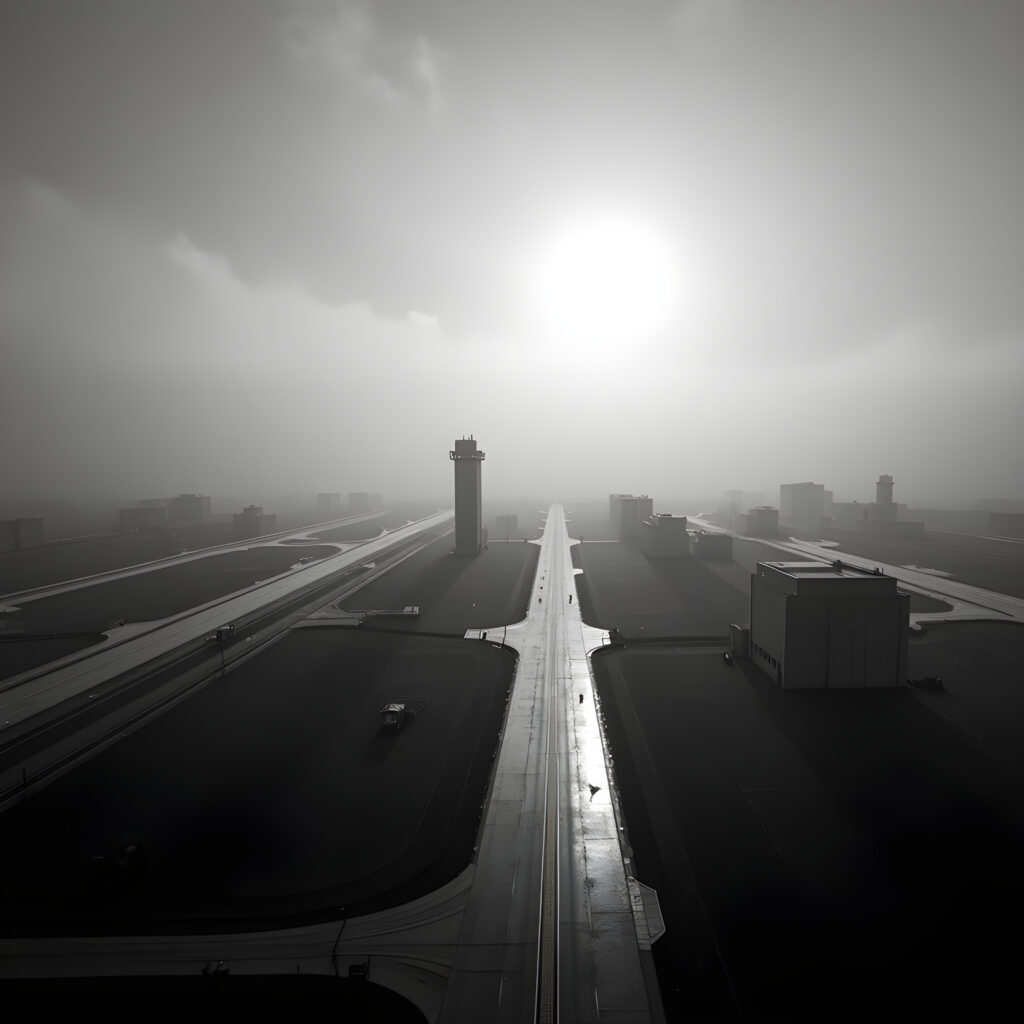
Beneath the roar of the landing gear, he heard the sharp, rhythmic friction of nylon stockings – a sound freighted with the whisper of his erotic past, the synthetic rustle of a thousand stewardesses pacing the infinite, recirculated aisles of time, space, and desire. That sound tethered the room to the Rayleigh scattering in the sky, a tactile memory of flesh-coloured polymer, the pink clouds and red sprites echoing the movement of the thighs and the genital secretions of the resected angels.
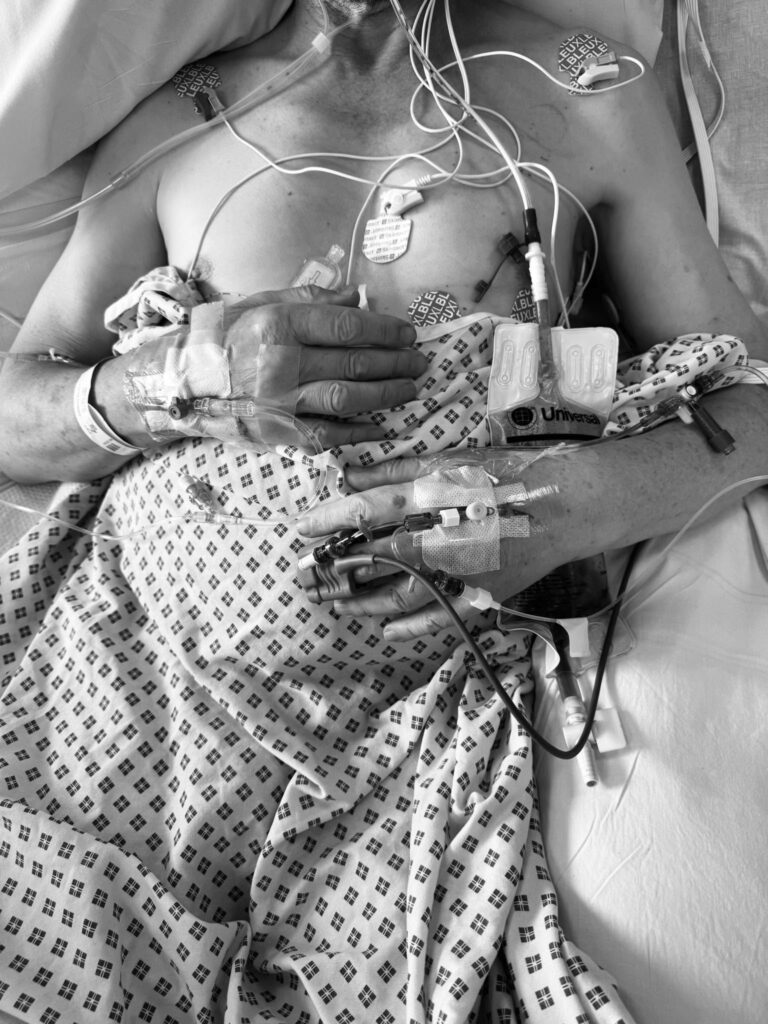
He lay as still as possible, the pain – reminding him of glitching flight information display systems – pulsed and flickered but refused to crystallise into a destination. He ran his fingers over his abdomen, the scars forming a cicatricial braille reminiscent of the famous Richard Avedon photograph of the trauma of Andy Warhol’s bullet-traversed torso. He remained a prisoner in a suburban theatre of suspended anatomy, where the only illumination was the intermittent pattern of cruciform shadows and the strobe-like glare of passing aircraft, tracing trajectories that never escaped the aporistic forces of expectation and departure.
ABOUT THE AUTHOR
Steve Finbow’s In Extremis: the A to Z of Francis Bacon will be published by Infinity Land Press in July 2026. A novella – The House of Contagion – will follow in late summer. And the second in his cultural history of illness trilogy – The Disorder Diaries: Neurological Conditions in the Arts – will be available later in the year.

