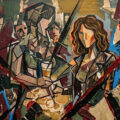

The Ubiquitous Point-of-View
When I first knew myself, there were only two of us. Me and the other, and that was it. That was our entire universe. I could see nothing in front of me, I perceived nothing except this single other thing surrounding me on all sides. So I called it just that, nothingness, but not emptiness. No place was empty of it. I was always staring at nothing, and nothing was staring back at me. There was little else to do. When it was just the two of us, we were not hot before cold, light after dark, yin balancing yang. We were opposites, as different as two things can possibly be, but the world was far too simple then to allow for anything more. Features would come later, when many other things also existed to provide a context for such nuances.
A short story by David August.

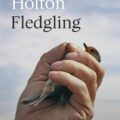
Fixing the Self
For only in this constantly shifting state of belief and non-belief can mystery cut meaning out from under itself, which is nearly always the catalyst for a poem by Byrne. Reason enough it seems to read this collection, for amid Byrne’s subversion of the written word and the masterful way in which he keeps language in a state of almost aporetic equilibrium, the readers will realize, almost at once, that they are encountering one of the least ponderous minds in contemporary poetry, and one of its most Promethean voices.
Paul Stubbs reviews The Overmind by James Byrne.

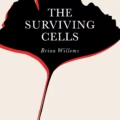
Six Selected Poems
It is recommended that these lyric poems be read slowly and breathlessly after performing 5 burpees & 20 jumping jacks. The poet disclaims responsibility for all adverse or beneficial effects of following these instructions, including weight loss or angina attack.
New Poetry by Oliver Khan.
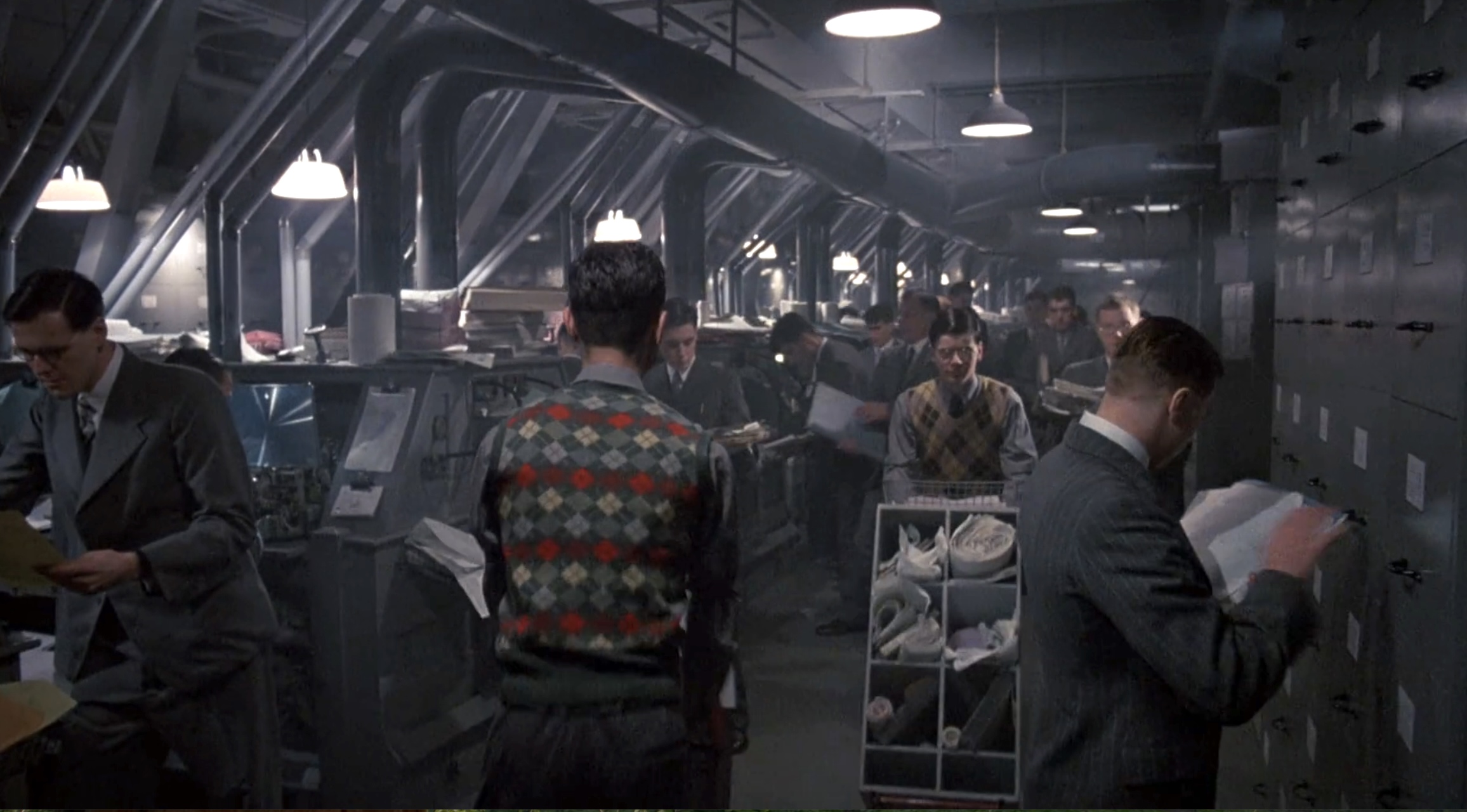
Minute 9: Brazil
The effect is supposed to make you feel like you’ve entered a world of infinite bureaucratic hallways. This dystopia sprawls.
But I can’t help a different feeling.
What if these are the only two hallways?
Where the DEPARTMENT OF RECORDS occurs.
That Terry Gilliam made.
Is that better or worse?
This is the only place you get to see.
This is everything you get to see.
These are the only people you get to meet.
This is everyone you get to meet.
Elijah Sparkman on minute 9 of Brazil by Terry Gilliam.

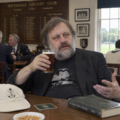
The Dennis Cooper Cycle
I had always wanted to make a porn film. I thought it was a genre that had never been treated with much artfulness or experimentation. I mentioned this interest of mine online, and someone in the porn industry contacted me to say he could get a porn film by me financed and made. I asked him if there were any restrictions or rules, and he said I could write any kind of script I wanted. So I wrote a quite complicated, strange porn script, very explicit but more about eroticism and how that works than actually being erotic. The script turned out to be way too experimental to get financed.
Dennis Cooper interviewed by John Wisnieski.

The Visiting Poet
The visiting poet sits facing her, so very clothed, at a table in a public place in the middle of the afternoon. He takes a sip of his hot cocoa and grimaces. Horrible, he says, pushing it away, and she recognizes the face he’d made at the bar the night before, when, on learning where she was from, originally, he recalled drinking a terrible cup of coffee at the bookstore café of a university some two hundred miles from her hometown. In a low voice he asks her how she made it home last night, whether she’d walked back to her dorm in the end or caught a cab, and she tries not to stare at the white patch in his beard, that thistly terrain her teeth—hers!—had grazed. She’s too warm in her wool sweater, the sudden change from the sharp spring air to the heated interior has made her throat go dry, so that when she tells him she did, in fact, walk, she begins to cough. She coughs five times in quick succession and with each of these short ragged expulsions of air directed into the back of her sleeve, the look on his face gets a little more impatient, the skin between his thick eyebrows pinching as it did when she first came up to him after the reading, mispronouncing several words in his mother tongue.
A short story by Katie Shireen Assef.
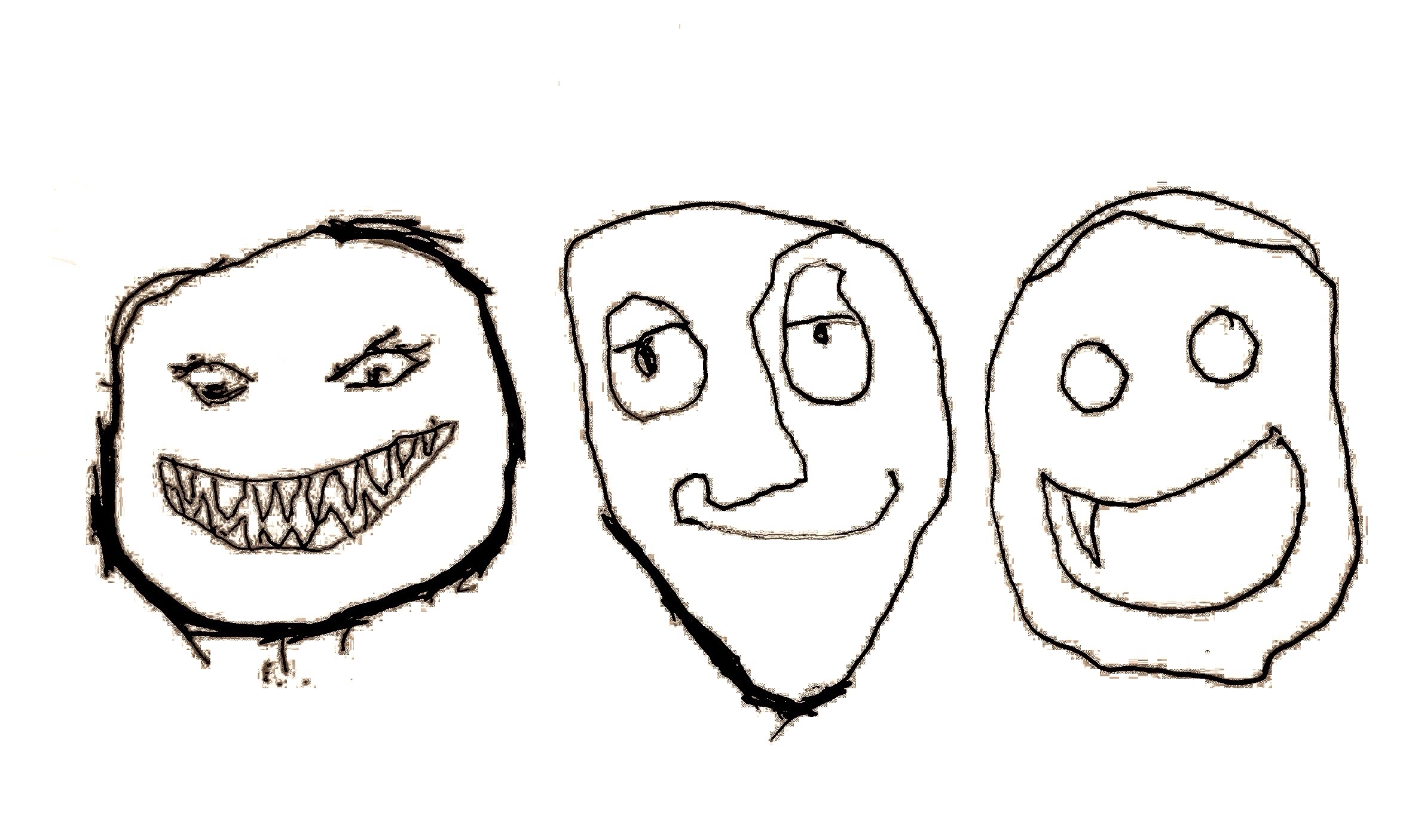
NIGHT TERRORS
A short collection of chaos thoughts; text poems built from daily experience and scraps of thoughts and notes written in and out of sanity and consciousness.
New Poetry by Eleanor Wilders.
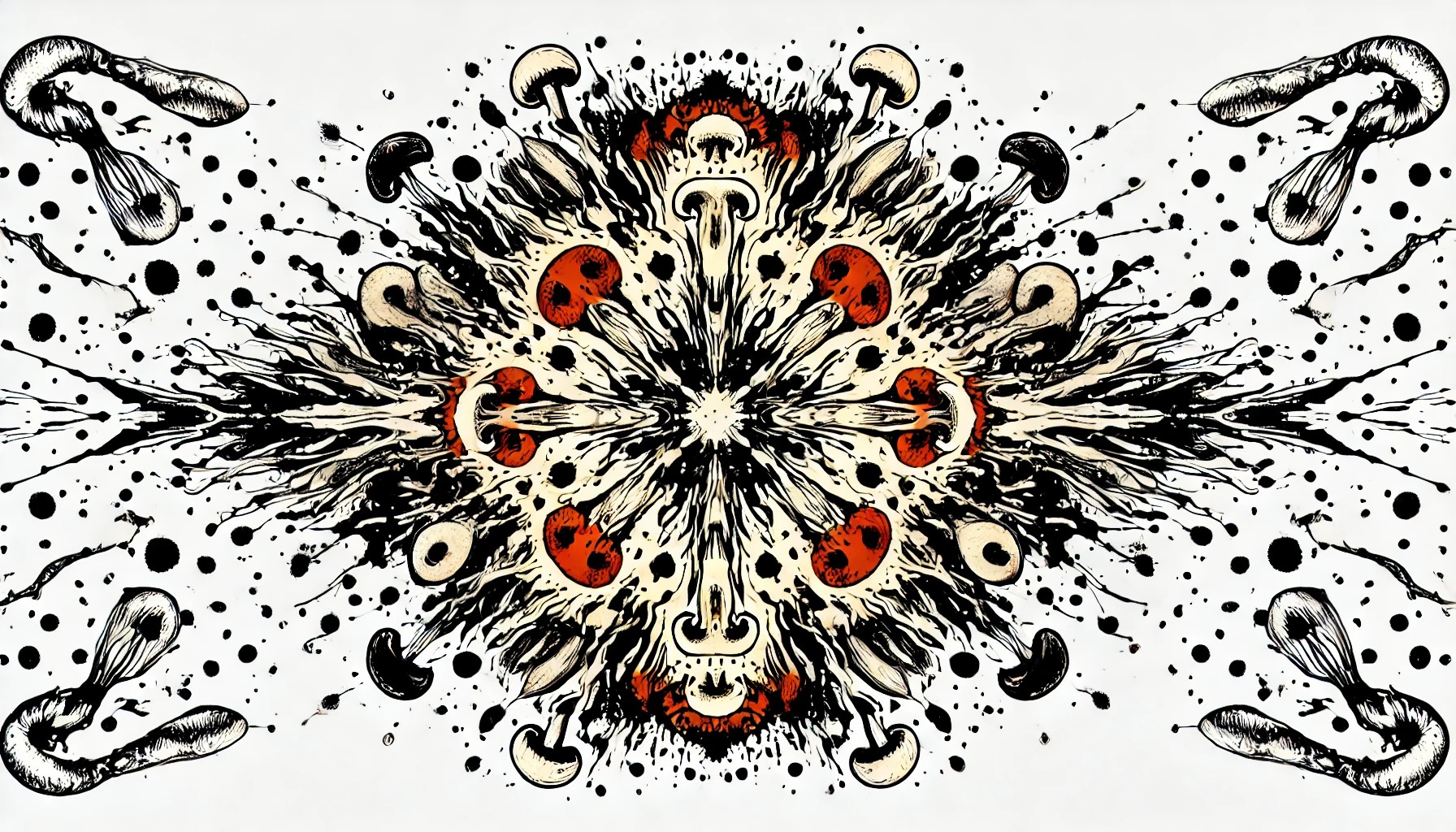
The Reincarnation of Hermann Rorschach
A pair of antique glasses dangle from a delicate gold chain atop the more than ample bosom of a kindly looking woman who is inside a small simple room with an uncommonly large disheveled man whose body is encased in a straitjacket and steel shackles who she asks, “Please share whatever it is you see in the inkblot?”
“What I see is a large pizza pie.”
“Is it all cheese or is it garnished with toppings?”
“Oh, atop the pie there are two hundred and thirty-four mushrooms and approximately sixty-four anchovies.”
A short story by David Sheskin.

Writing, Raging, and Fatherhood in the Age of Anxiety
All the reading and thinking I do, helps me frame the question the novel must ask. And novels have a specific role to play which is inherent in their form, which I at least, find is the best way to grapple with big questions about how we should live. Novels, I think, are humane hybrid ways to deal with the big questions that philosophers and sociologists and anthropologists and psychologists and scientists can’t answer definitively or on an existential level, in the flesh. And the human mess and disaster these thinkers create, also gets once again sucked back up into the form of the novel.
Ewan Morrison talks to Chris Kelso about his new novel, For Emma.

Thirteen Ways to Prepare an Egg
1. Boiled (Soft)
Bring a saucepan of water to the boil. Lower the egg into the water—please use a spoon to avoid cracking—and leave for seven minutes. Remove the egg, peel it, halve it, check the yolks are soft. Season the egg with a generous amount of salt and pepper and bring to my bed on a tray.
A short story by Elliott Simpson.

The 145 to Dagenham Asda
For the purpose of writing this poem I decide to take the 145 all the way to its logical conclusion: the end of the line, the last stop at Dagenham Asda. It’s not often one gets the opportunity to ride the full length of a bus route, unless you’re the driver of course, in which case it’s generally advisable, if not in fact necessary, but it’s worth doing and I’d definitely recommend it.
For the purpose of fulfilling my homework this poem is now a landscape poem, by which I mean you need to read it horizontally. Yes, that’s right, turn it round if you’re reading on your phone, so it’s now taking up all the space. Now imagine that that space with those lines of text on it is a bus window, which is in fact a portal, as well as (ironically, for formatting nerds) a portrait onto the outside world.
A short story by JP Seabright.
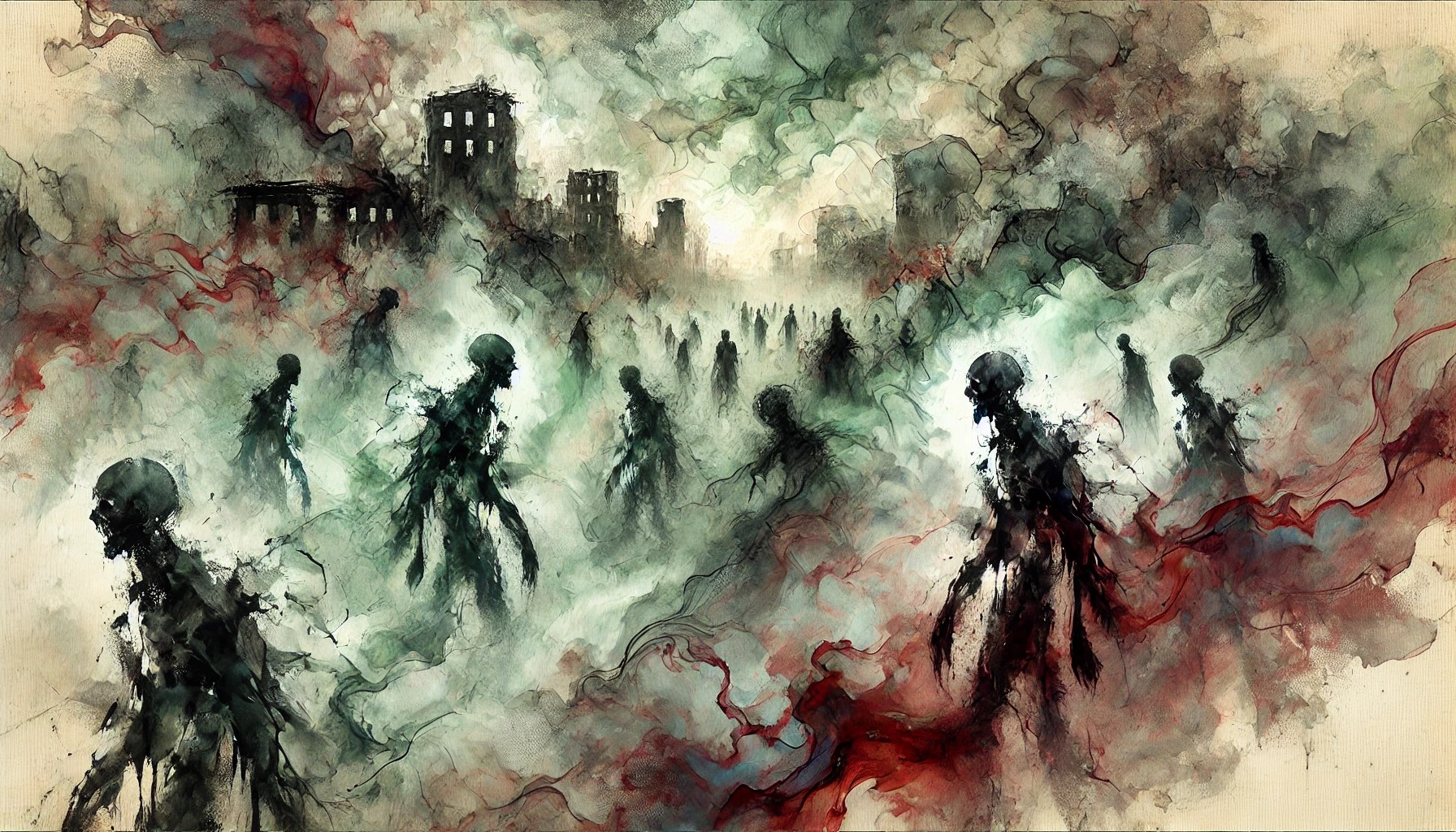
Belief and Desire and Belief in Desire
you saw the best minds of your generation explain how the metaphor of a zombie apocalypse evolved from generation to generation
sometimes the minds agreed and others they did not but
they never stopped explaining
you could say that the best minds of your generation were almost
zombielike in their singleminded pursuit of explanation except that the best minds of your generation all and always agreed on one thing they themselves could never be the zombies
A short story by Christian TeBordo.