
Three Stories
We began to believe, as how could we not, that at least some of it was performance, fake news, theater created not for the sake of our entertainment, but something analogous to entertainment, a desire to keep us watching: the bombing this morning, for example, in a city on the other side of the world, a city we had never heard of, or else which we had an inexact sense that we may have heard of, a city the name of which may have been similar to some other city we had heard of before and forgotten. All at once this bombing filled our timelines, filled them so thoroughly that anyone who spoke of anything else, problems getting groceries, jokes about the president, complaints about the president, personal illness, opinions on television shows or movies, immediately outed themselves as heartless.
Three new microfictions by James Tadd Adcox.
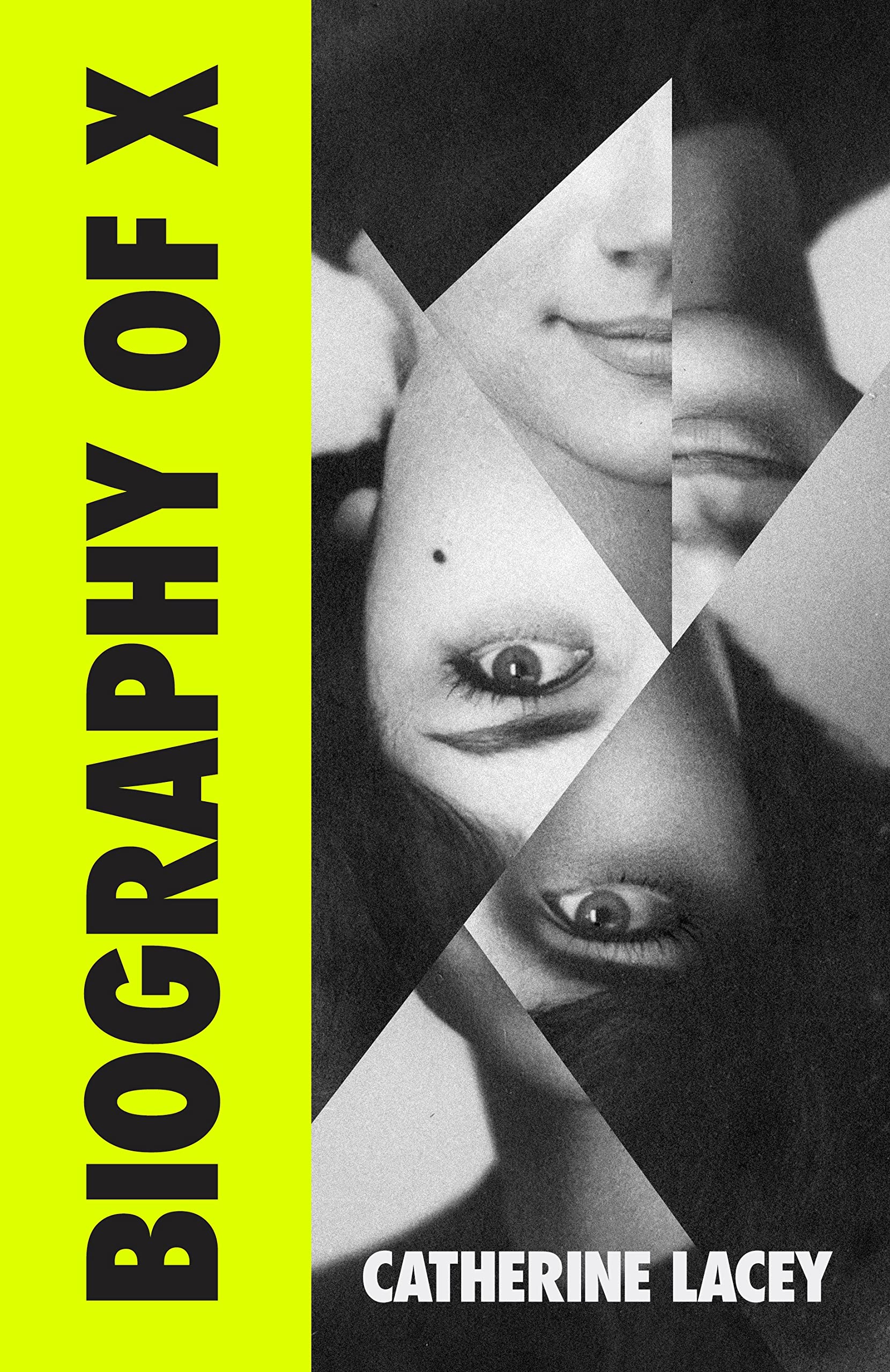
Tricky Wife, Tricky Life: Catherine Lacey’s Biography of X
There is something about Manhattan’s art, music, and to a lesser extent literature in the 70s and 80s that has stuck for many of Lacey’s age and younger. That would be Mapplethorpe, Patti Smith, Sontag, Kathy Acker, Vito Acconci, Basquiat, etc. It’s not only the fashionable and the cerebral but the seedy too, all within one borough, and within one life: X, as was Acker, is briefly involved in a Times Square sex show called Fun City. The nostalgia, or just simple longing, affects Biography of X, and Lacey exploits it too, giving gossip about Richard Serra, reconstructing a session at Electric Lady with Tom Waits with X as producer, and taking her to readings (with heckling!) at St. Mark’s bookshop.
Kazuo Robinson reviews Catherine Lacey‘s Biography of X.
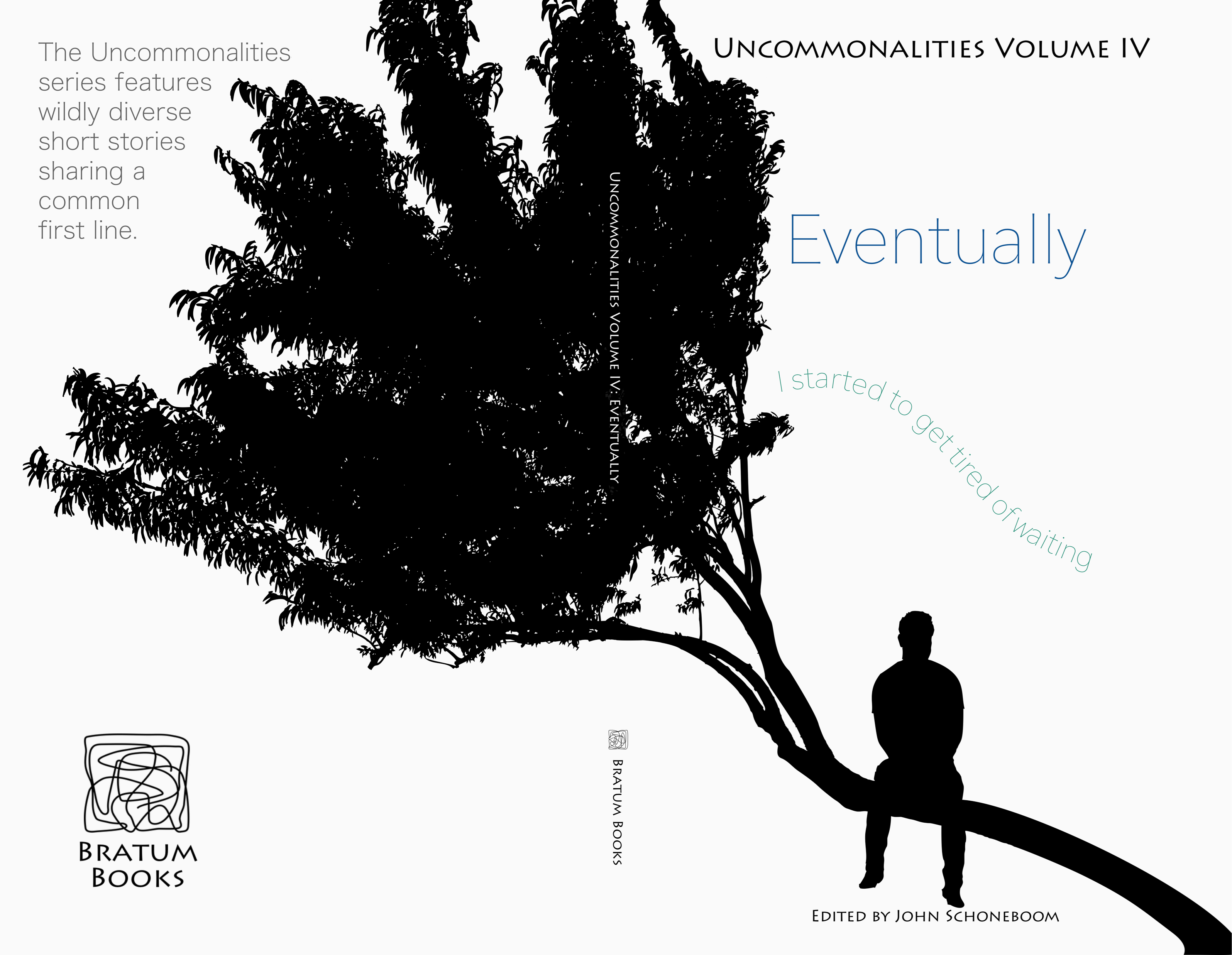
Uncommonalities Volume IV: Eventually
Writing and waiting are only a letter apart, after all, and the ‘Author Bios’ section at the end of the volume reveals how many of the contributors are in the process of studying literature at university, submitting debut novels, or otherwise honing their craft. It can be all too easy to eventually start to get tired of waiting, but this volume showcases a group of writers with the patience and persistence to write fresh, original fiction, that is both ambitious and audacious, while remaining rooted in the shaky terrain of modern life.
Josh Allan reviews Uncommonalities Volume IV: Eventually, edited by John Schoneboom.
Poem Brut #155 – Earth / Open / Base (European Poetry Festival edition)

A handwritten poem enters a performance.
A few drawings by Aasne appear, slowly.
(To be in touch with paper again.)
(The material.)
(Like entering the years of childhood.)
(Simply letting the hand do what feels needed,
in a mix of words and images that immediately
starts to flow when hand meets the soft hardness
of an open piece of paper.)
And then.
In the 155th of the Poem Brut series, new poetry by Jaka Škapin and Aasne Linnestå.
the melodic line that obsessed my thoughts
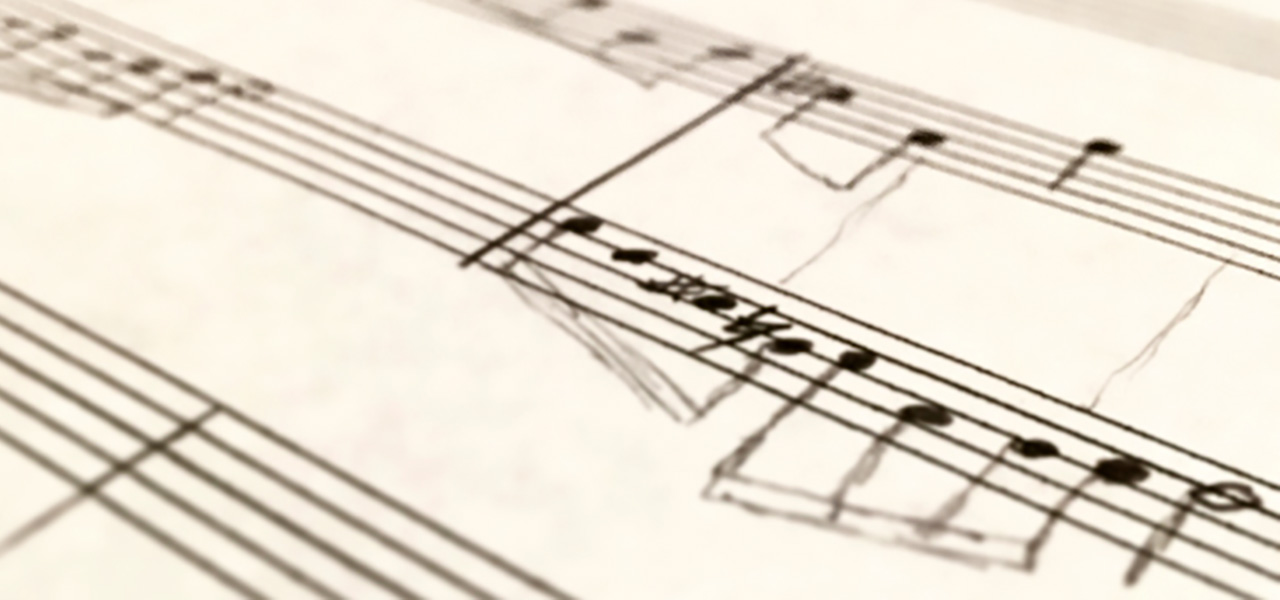
the melodic line that obsessed my thoughts at that moment was, perhaps, a theme or theme-adjacent/theme-supportive, and in my head where notes often gather it started logically enough, pleasing to the ear, running through a normal chord progression for some measures, if I researched I may have discovered that this chord progression was one I had used before, and at a particular moment, still in my head, the melodic line made a jump, more a shift, to an unexpected note and continued from there using that new, unexpected note, that jump, as a framework a baseline, so normal normal normal, huhwhat, newnormal newnormal newnormal…
A short story by Michael L. Sevy.

Lighten Our Darkness
But that era’s seeding and fruition of Goth raises the question: where did its influences come from? The labour of love which Unsworth demonstrates in painstakingly elucidating them is where the book is outstanding. She reminds us of the voraciously-reading autodidact working-class youth of the 1970s who were making good use of their library cards and taking out ‘well-thumbed existentialist tracts, pulp paperbacks and doorstopper-sized nineteenth-century novels’.
Nicky Charlish reviews Cathi Unsworth‘s Season of the Witch: The Book of Goth.

Camera
Dawn stamps the window and tells the blinds’ outline. Ten minutes later, sunlight taps the floor. The Matchbox gasps. Its windshield crystals; the air inside grows tight. You’ve been sitting in there—in a tiny toy car—all night long. Its doors, of course, do not open.
A short story by Benjamin Lytal.
Poem Brut #154 – Friendly Aggressiveness (European Poetry Festival edition)

The aim of the piece “Friendly aggressiveness” – performed at European Poetry Festival – was to give nonsemantic poetry emotional value through action and physicality.
In the 154th of the Poem Brut series, new poetry by Bård Torgersen and Dario Fariello.

Three Stories
They lived in terror of living animals. Animal blood and animal flesh alarmed and excited them. It didn’t help to install glass partitions in the rooms or fill empty corners with taxidermied specimens. Silence, stillness, the occasional snow of sawdust from tiny holes in old hide, these were good things, but not enough. Not reliable. More than once, in the black surface of a glass eye, they glimpsed reflected movement, a declining sun or a bending leaf. They dined in silent tension, in an atmosphere of seance, waiting to detect alternations of light and shade among the cutlery.
Three new microfictions by Addison Zeller.
On Writing Ebb, Without the Letter
Limiting yourself is oddly opening. Limiting your view of things, like stopping yourself from doing something, brings this sense of bliss when you do some close thing to this. This feeling like you’re freed up from thinking one style. This feeling like you’re freed up from being bogged down in your every moment mind. The mind of every moment is too open to every flitting possibility. The mind with one limit put on it knows where it might like to go. To run even. This mind brings out something new in you. Like Wittgenstein’s brother. The composer. The piece written for just one of his sets of fingers. The possibility there. Tehching Hsieh’s work, opening himself to the possibilities in limiting himself for long stretches. The possibility opening up from this kind of thing. I only wish to tell someone to consider it. The possibility even in just considering it. This might be enough. Cut yourself off from something. Limit yourself. See the things which creep out from the sides of the thing you’ve skipped.
Grant Maierhofer on writing his constraint-based Ebb. Can you guess which letter he has chosen to exclude? Find out by reading the opening of Ebb which follows the essay.
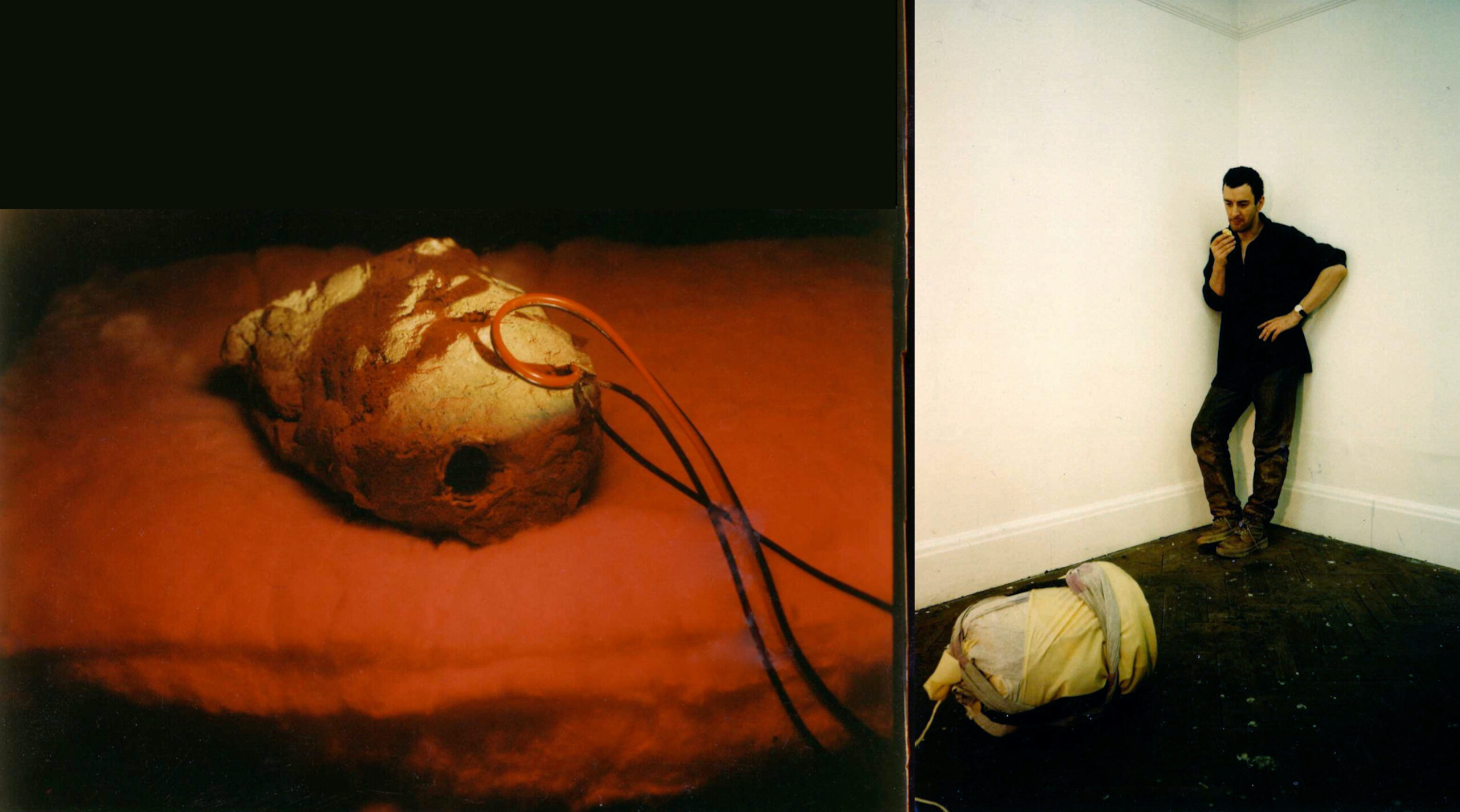
To Battle with the Forces of Nature: An Interview with Derek Ogbourne
Chance would be a fine thing! The spontaneously glorious nature of words and meaning, double meaning, triple meanings, words that sound like other words but mean something completely different, Intense and In Tents — chance is a fine tool to upset the chains of formalism, the random, the unexpected, the free mind, playfulness as flourishes of nature’s wonder of randomness are harnessed by things made by artists.
Derek Ogbourne interviewed by Steve Finbow.

Lomseggen Ridge Stories
At the mighty Fimbul Winter’s dawn, two hollow-faced boys eye their bowls. Now the boys pretend to play, watch their mother grip bow and quiver. At the homestead’s door she sniffs the icy air, a blizzard’s smell. Unnoticed, from beyond the pasture, wraiths bide their time.
A short story by Petra Meindl-Andrews.