

Q&A: Nathan Knapp, Daybook
Wrath is more something underneath the prose than in it, I think. Wrath both at the idea of God that I was raised with and God himself. Wrath at the warped ways in which my faith shaped me and also wrath at my faith for abandoning me—I never wanted to stop believing in it. Anger at the insidiousness of Christianity’s relationship to the body. Anger at the beauty that inheres in Christianity’s notion of self-sacrificial love and the awfulness of a religion that says one’s body’s desires are inherently evil. Wrath at the failed promise of eternity: I was told we would be made new, would be made whole, and to no longer possess that promise feels like disinheritance.
Nathan Knapp interviewed by 3:AM‘s Fiction Editor, Daniel Davis Wood.
Who Is Controlling the Plot? An Interview with Sam Mills
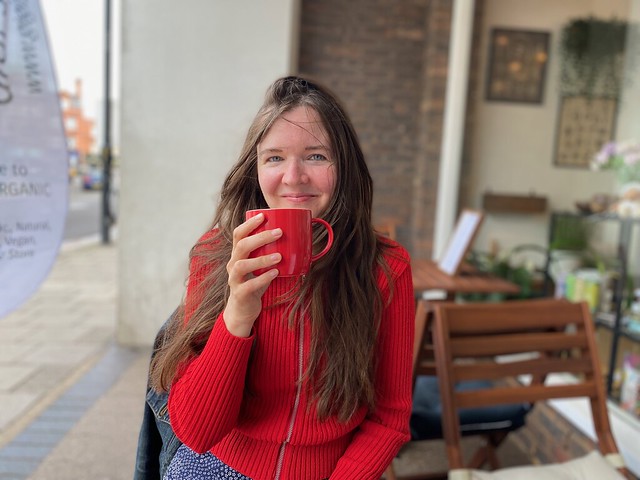
It’s not traditional pastiche because Jaime is simmering beneath Fate’s creation. Fate wants to control Jaime, yet he also wants to harvest him, two desires he can’t reconcile. And so the language, the sentence structure, and so on, represents an uneasy tussle between Victorian and modern, between imposing narrator and rebellious author. Eventually, when Jaime does realise that he is a ‘real’ person who has been trapped in a novel, he still finds himself unable to entirely shake off the authorial style that Fate has imposed on him. Even his memories of his ‘real’ existence, as they rush in, are flavoured by the man who has drugged him, a mash up of past and present.
Sam Mills is interviewed by Peter Labilliere about her new novel, The Watermark.

The Unheard
The photograph on the cover is a portrait of a man I knew in East Manchester. His name is David, and I took the photograph not knowing it would be the last time I would see him. He wasn’t well by then, although none of us knew that. He was sitting in front of the altar of a church, the place he felt most at home, and where he’d started sleeping. David’s presence and his quiet dignity resound in the darkness of the photograph. Of all the images I’ve taken, I chose this for the book. David’s expression reminds me of my father, who inspired some of the writing. The image goes to the heart of what The Unheard is about.
Anne Worthington, author of The Unheard and documentary photographer, interviewed by Richard Clegg.
Creative Adaptation: An Interview with Alec Finlay
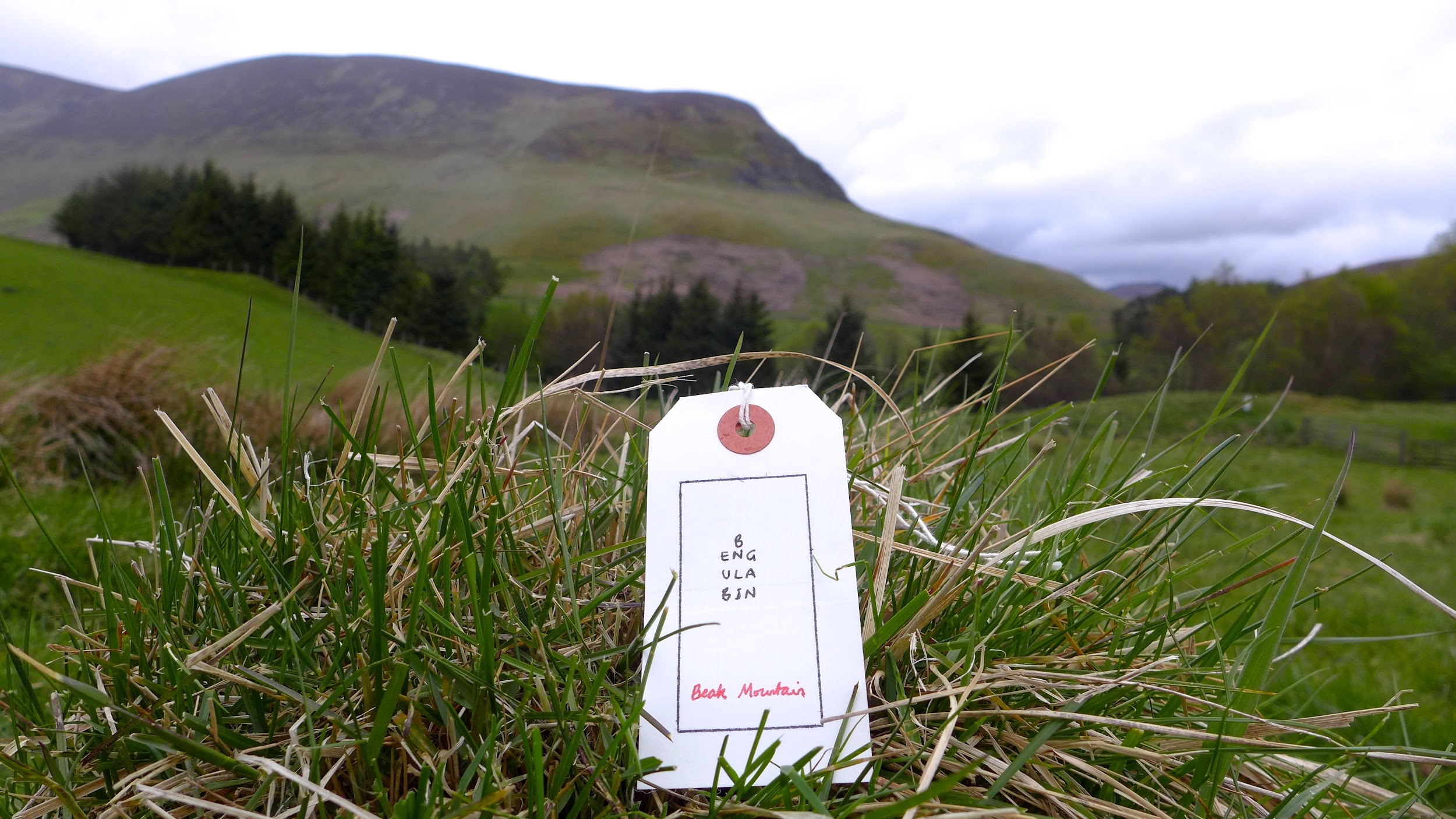
One role of art is to describe, and thereby to represent – through framing, materials, and context – and this representation includes experiences which have been erased, or repressed from shared consciousness. This becomes especially acute in a time of identity politics and the fraying of trust in the collective. The book, descriptions, is an act of witness: ME has never been represented in an accurate way, and this has been deliberate. The consequences stymie research and potential treatment. I composed the poem from 300 people’s answers to a series of detailed questions; it was the hardest, most painful project I’ve worked on, and the most personal, though only five words are mine. It’s a work of poetic collective biography.
Alec Finlay interviewed by Katy Wimhurst.
Other Reflexes: Diana Georgiou Interviewed
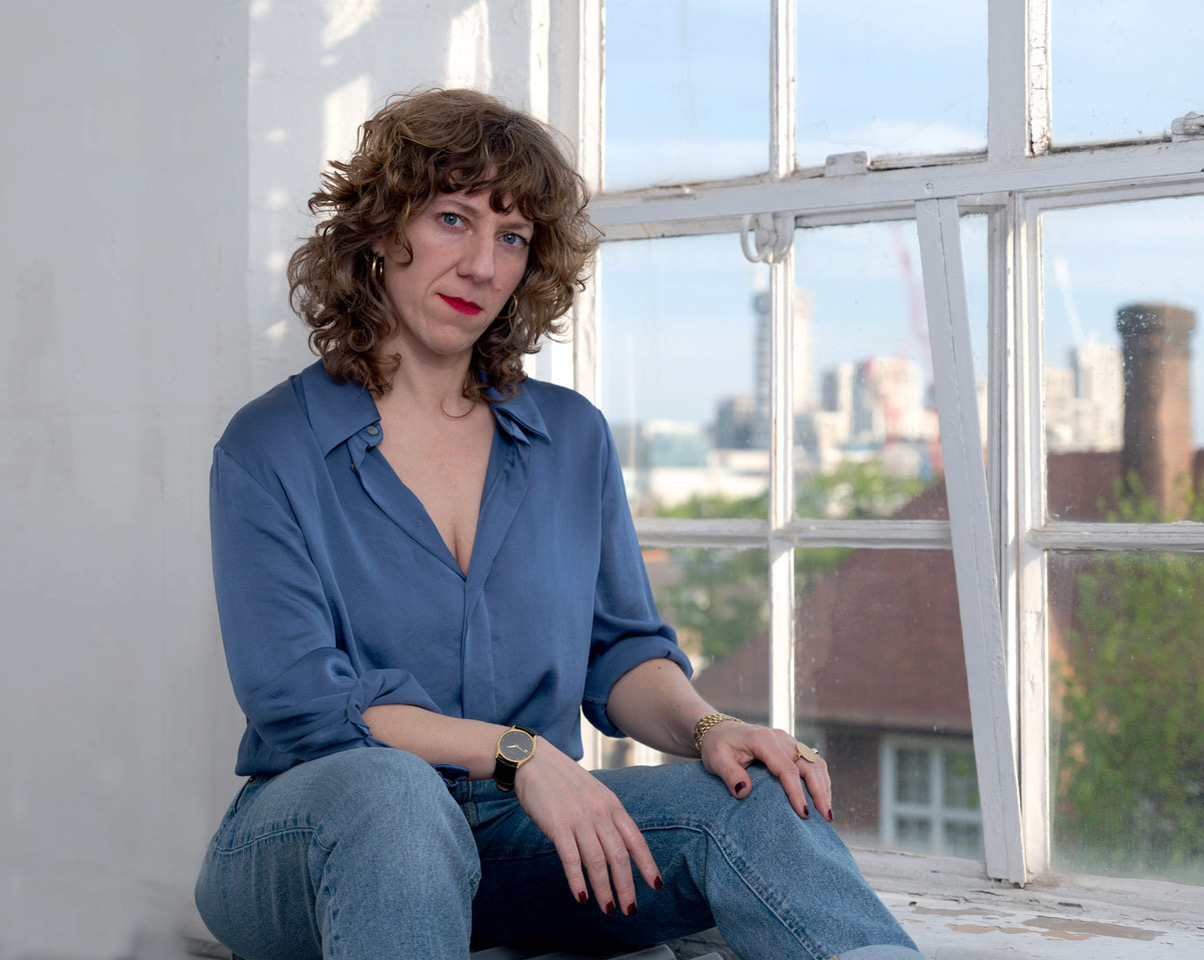
Perhaps we need something different to bring about an absolute rejection {of the male gaze], one that would really make it impossible to be consumed. And I can’t say that I have the answer to that. I think queer people have fought very hard to enter fields that were otherwise foreclosed to us: from healthcare to politics to mainstream television. But this strategy of inclusion has historically, and inevitably, led to our identities being co-opted by capitalism and then resold back to us at a higher price, while also evacuating our identities of any political intent. Not all queer lives benefit from the politics of representation, and neither will their social conditions ameliorate on the basis of glossy TV entertainment. I have always been far more aligned with the politics of refusal, indetermination, and abolition, rather than the idea that equal participation and representation will transform the unjust systems that have excluded us in the first place.
Bridget Penney interviews Diana Georgiou.

Songs for Olympia
Putting your wrist to someone’s nose and watching their expression change, trying to figure out what it is, is a form of intimacy, another way of communicating. Understanding that they can connect to the world in that way means they are open to other connections. A favourite memory is someone who was smelling my wrist when I was wearing Ostens Patchouli Heart I, a resonant, woody scent with a faint incense-treacle note. He had his nose and lips to my skin and his eyes looked like he’d experienced the divine, but it was more than sexual. It was a genuine realisation of another world, and he was trying to find the words to describe it. Seeing that is a turn-on like no other.
Tomoé Hill interviewed by Paul Sullivan.
Love the World or Get Killed Trying
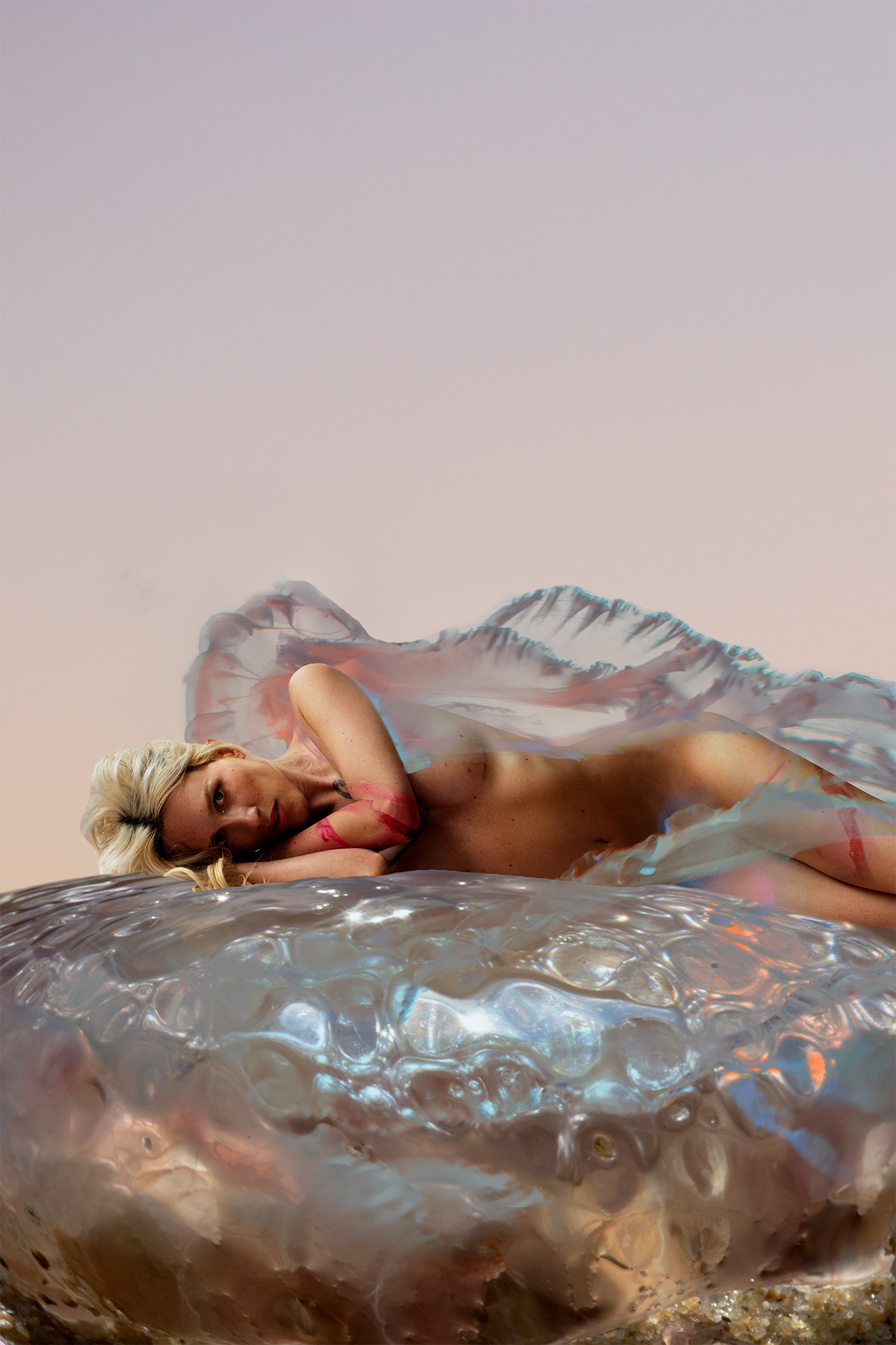
At the moment I think my brain is limited to autofiction, maybe because I experience life so intensely, emotionally, that it’s hard for me to step that far outside of myself. I just don’t see how I’d manage to write a novel in that way. Perhaps I could do what Sylvia Plath did in The Bell Jar and change my name to Aurora, Isabella, or Estelle and pretend it was a traditional novel, but that’s about it… On the other hand if I change as much 20 years from now as I’ve changed in the last 20 years, who knows?
Rob Doyle interviews Alvina Chamberland.
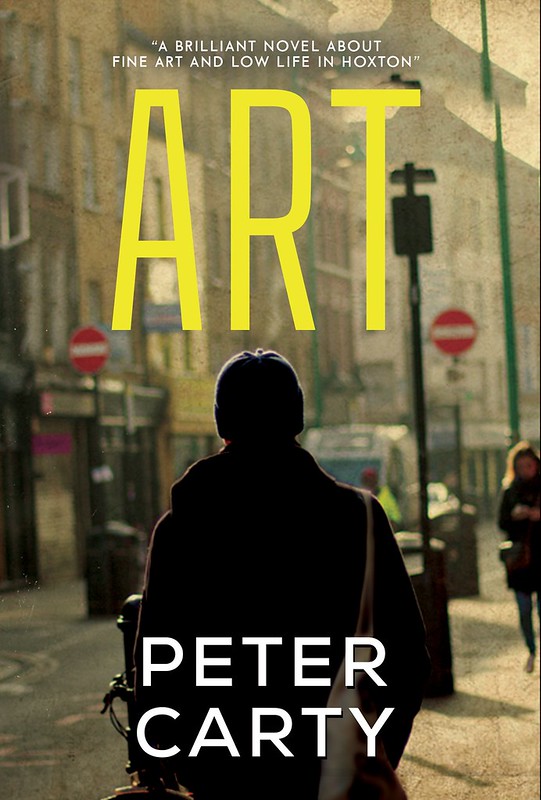
R. Mutt in Hoxton
Ars longa, vita brevis — this is the tragedy at the novel’s heart. It should be underlined that the best art really does last for a very long time. We are still living with the art and through the art that the Hoxton and Shoreditch scene gave birth to. Over the past three decades it’s been one of the most prominent cultural influences on London, and it has risen to become a formidable driving force behind huge amounts of global art and culture. Who would have thought that could have emerged from all that poverty and craziness enacted in those crumbling old warehouses back then?
Peter Carty on his debut novel, Art.

A British Distance: Lars Iyer Interviewed
It was only by discovering a British distance, perhaps a class distance, with respect to the high cultural stuff I venerated that I could find a persuasive voice in fiction. Because fiction doesn’t need to be ‘high’: it doesn’t have to resemble Nerve Scales or The Malady of Death or The Stream of Life or To Live the Orange; it can be written in the prose of the world — our world, and be populated with people like us.
Markku Nivalainen interviews Lars Iyer.
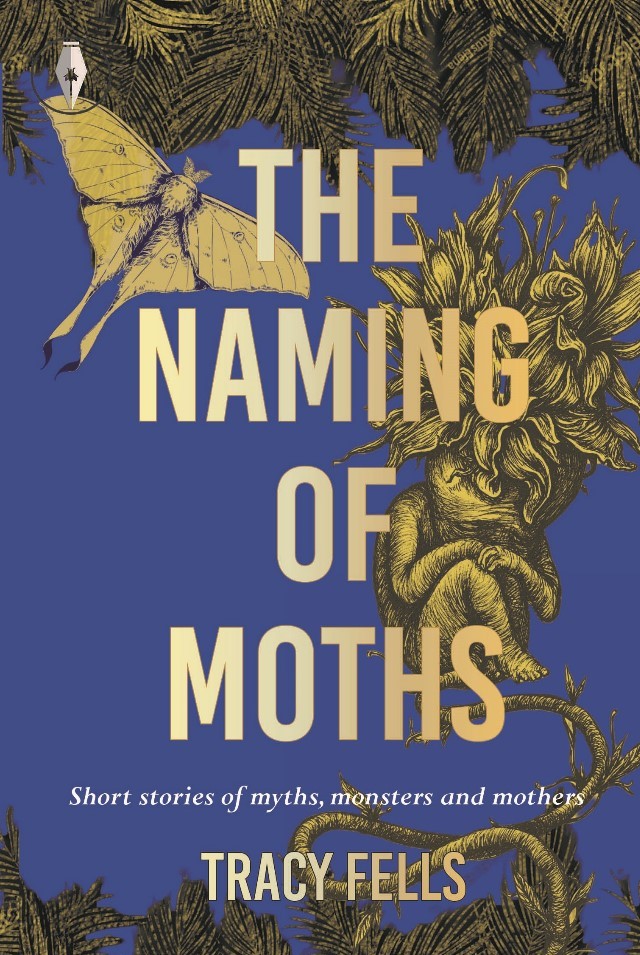
The Naming of Moths: An Interview with Tracy Fells
As an only child, I spent a lot of time entertaining myself and began creating stories about objects around me. I remember announcing I would be a writer at about age six, when I started writing stories to be read out in class, but then life (career, motherhood, etc.) postponed that ambition till my mid-forties. A side-effect of leaving my twenty-year career in clinical research was freeing the head-space needed to seriously start writing, but first I read and discovered many wonderful short story collections. Angela Carter’s The Bloody Chamber was an epiphany, giving me permission to write the stories living in my head. Until then I’d not known magical realism was a ‘thing’. Carter’s fiction launched my writing career.
Katy Wimhurst interviews Tracy Fells.

Travisland
I am essentially against all countries and, if I were to run the world, would rather opt to dissolve all borders and allow for total freedom of movement. Nationalism is, I believe, one of the great banes of existence and sources of violence, war, and conflict. There’s one easy solution to this problem: just get rid of all nations. So yes, elect me global dictator and the world will be a much better place!
Travis Jeppesen interviewed by Oskar Oprey.
Q&A: Jared Pappas-Kelley, Stalking America
There’s this impulse of cutting to see what lies behind: carving windows as an excavation, exposing what remains or bleeds through, but not in a static way—seeking a sustained act of cutting-through in order to construct. Without that constructive aspect, it’s more of an autopsy of something gutted, or just a cluster of holes—that’s something else.
Jared Pappas-Kelley interviewed by 3:AM’s Fiction Editor, Daniel Davis Wood.

