

Ghosts in the Machine: Christopher Stead Interviewed
The physical roots of contemporary graffiti and raves can be traced back to the origins of urban exploration, which emerged as a response to boredom. Whether urban or suburban, the ghosts of post-industrialisation have left a myriad of abandoned warehouses, squats, and vacant spaces. Growing up, my friends and I had no access to museums or galleries. That just wasn’t part of our culture. We found our catharsis within the post-industrial playgrounds that stood as monuments to failed futures. These places of other were treasure troves of pieces from the early graffiti pioneers. By day, the decaying and ruined spaces would act as makeshift galleries for the city’s curious teenagers. Then, at night, the same spots would transform into pop-up clubs for illegal parties, something we had yet to learn about and were about to discover. These playgrounds allowed the city’s delinquents to unyoke themselves from their home lives, and the secret, concealed nature of these sanctuaries made us feel like it was our secret. The train lines, however, were no secret; they were just forbidden.
Lee Rourke interviews Christopher Stead.
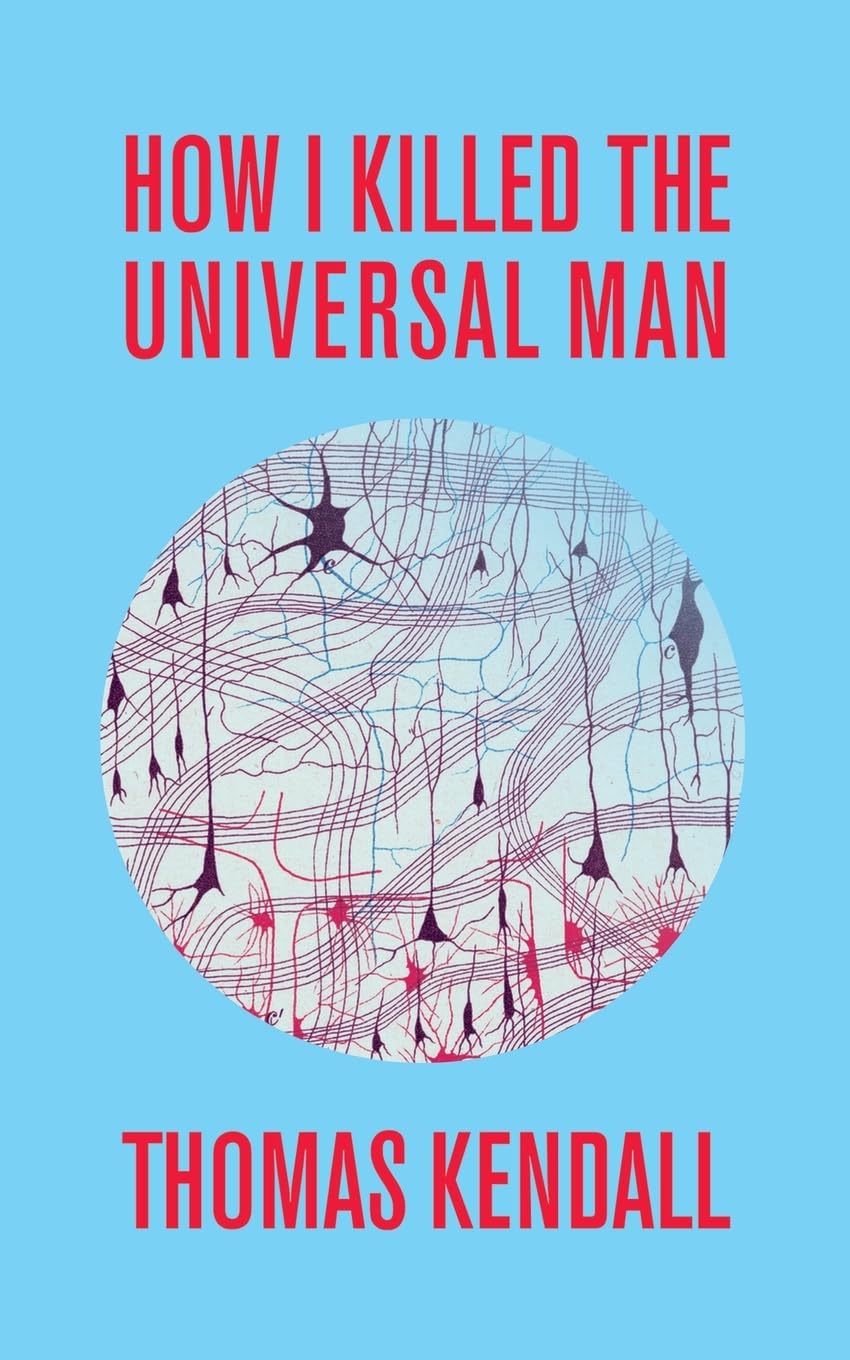
Killing the Universal Man: An Interview with Thomas Kendall
It’s like mixing a record. What are you going to foreground, what is going to sit so low in the mix that it acts subliminally? What I’m looking for in writing is language that’s concerned with what is inexpressible, which is a language moulded by pressing itself against the ineffable… I have a dream about writing a very quiet novel, one that mixes Blanchot with Marilyn Robinson or something. Maybe that will be my ‘domestic’ novel.
Thomas Kendall interviewed by Chris Kelso.

Go for Baroque! An Interview with John Madera
Artists, literary and otherwise, not only don’t stay in their lane, they go against traffic. And they often avoid the highway altogether! They swim! They fly! We ought to encourage conscientious border trespass, conscientious border abolition. That is, we ought to encourage writers to write compassionately, lovingly, and otherwise intelligently and empathetically from the imagined perspective or perspectives of an “other” or “others.” In fact, this is arguably what all great writers are always doing, even when writing from their “own” perspective.
John Madera, author of Nervosities, interviewed by Jeff Bursey.
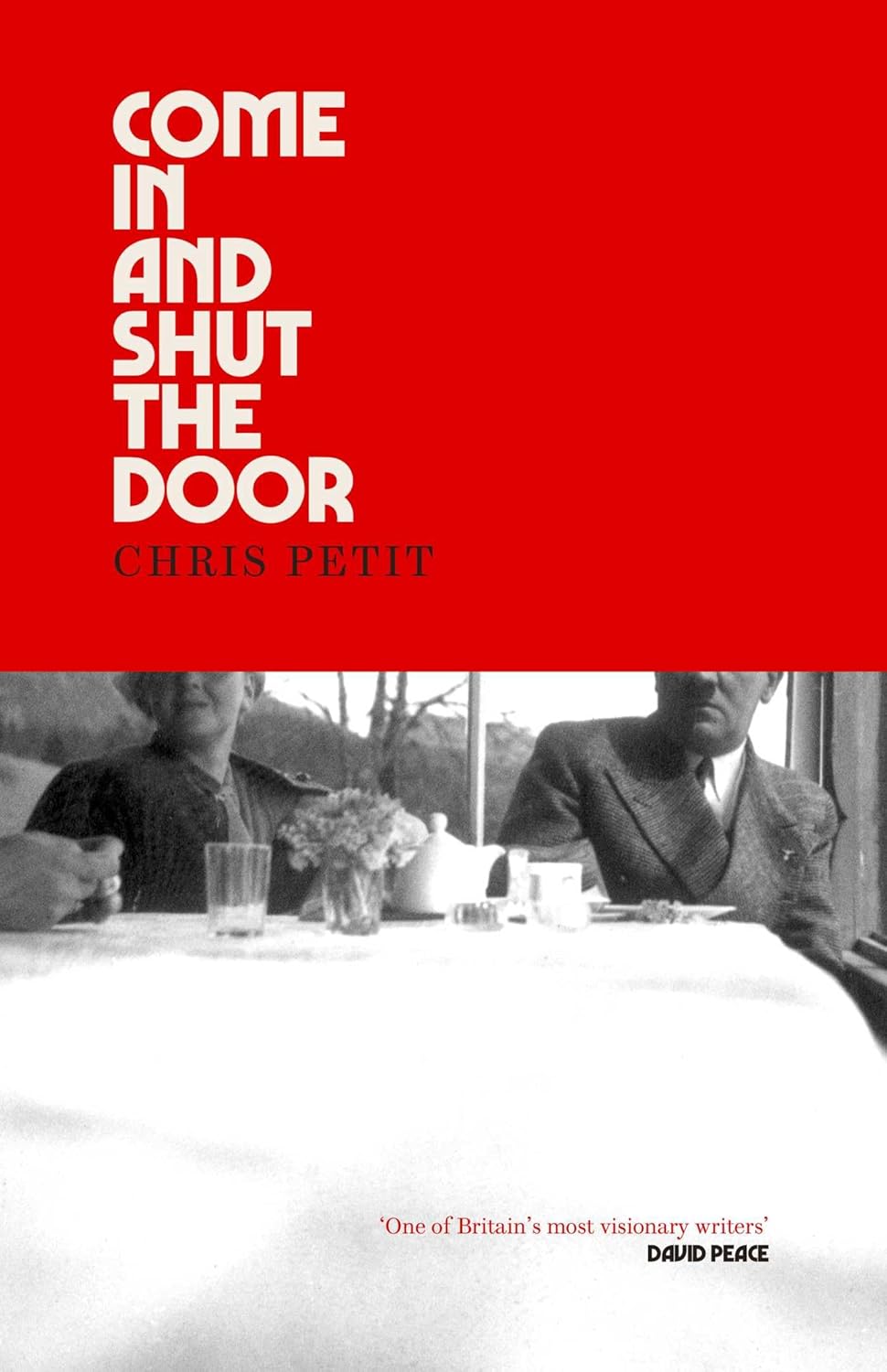
The Bunker Tapes: Chris Petit’s Come In and Shut the Door
I think the other thing which people don’t get, although Alan Moore did in his introduction to The Psalm Killer (1997), is whether I’m a novelist at all, because my whole approach is not that literary, it’s cinematic. The way the writing is, it’s cinematic, and essentially, it describes what you see. I wrote Robinson because I couldn’t make films anymore, and I thought, “Well, I’m not a novelist. I don’t want to win the Booker Prize. I don’t really care about the whole literary scene.” I thought, “I’ll treat Robinson as though it’s a prose film; that it’s a project for a film that will never get made.” It was done in such a way that it couldn’t be turned in a film, but it is, essentially, filmic. And I think most of the stuff I write, as Moore pointed out, is written from the background of a filmmaker.
Chris Petit interviewed by James Riley.

The Dennis Cooper Cycle
I had always wanted to make a porn film. I thought it was a genre that had never been treated with much artfulness or experimentation. I mentioned this interest of mine online, and someone in the porn industry contacted me to say he could get a porn film by me financed and made. I asked him if there were any restrictions or rules, and he said I could write any kind of script I wanted. So I wrote a quite complicated, strange porn script, very explicit but more about eroticism and how that works than actually being erotic. The script turned out to be way too experimental to get financed.
Dennis Cooper interviewed by John Wisnieski.

Writing, Raging, and Fatherhood in the Age of Anxiety
All the reading and thinking I do, helps me frame the question the novel must ask. And novels have a specific role to play which is inherent in their form, which I at least, find is the best way to grapple with big questions about how we should live. Novels, I think, are humane hybrid ways to deal with the big questions that philosophers and sociologists and anthropologists and psychologists and scientists can’t answer definitively or on an existential level, in the flesh. And the human mess and disaster these thinkers create, also gets once again sucked back up into the form of the novel.
Ewan Morrison talks to Chris Kelso about his new novel, For Emma.

Comical Funnies: An Interview with John Holstrom
To this day I just do not understand all of the resistance I had to face from so many people and institutions and companies who absolutely despised the P-Word. But we faced the same kind of resistance that early rock ‘n’ roll faced in the early 1950s, and that was our goal: we wanted rock ‘n’ roll to become dangerous, rebellious and hated again! By the 1970s, crappy music like Simon and Garfunkel and Carole King were being called “rock ‘n’ roll” by Rolling Stone magazine. Fuck that!
John Holstrom interviewed by John Wisniewski.

Horse Girl Fever
I do feel like in life there are moments when something happens and you just stop and it’s like your head got pulled out from under water. Like, oh, now I see. But I don’t think we stay in that moment for long. We quickly plug back into our lives, being overwhelmed and just barely staying afloat, and I’m really interested in those moments. I’m really interested in Buddhism and there’s certain teachings where they say that enlightenment is easy, everybody’s been enlightened but it might have been lost in two seconds. The trick is how do you keep going back, or how do you take those two seconds and bring them back into your life. I don’t think my characters do that successfully, but I want them to have that moment, that revelation, that moment where they see their own lives for a split second.
Kevin Maloney interviewed by Leo Vartorella.

The Chronicles of Eckhard Gerdes
I am fairly certain that The Chronicles of Michel du Jabot is a book that only I could have written. I was at the right time and place in my life to be able to write that. It anchored me when, after the death of my wife Persis, I felt lost. Writing that book sustained me. It gave me something to carry in my head all the time, and it distracted me from the difficulties of my everyday life. It helped me to have this divide between my innerworld and outerworld. I think that all writers must feel some sort of splitting of their personalities. Maybe all artists do. Maybe everyone does. I don’t know. The natural instinct of a writer is to write, of course, but no one can write all the time. We all need to inhale in order to be able to exhale. Novelists inhale life and exhale books.
Eckhard Gerdes interviewed by John Wisniewski.

We Were Kid Gods
The parentification and autonomy demanded of us was astonishing. We were expected to constantly defend a socialist-Marxist, feminist ideology. It was incredibly frightening to be exposed to these ideas and be expected to apply them when we didn’t have the emotional maturity. The roles we were expected to play were not flexible. You had to be a “kid” not a “daughter”. There were theorists around like Barrington Moore who said, “loving your children is out of date.” To me, these ideas were quite possibly the words of alienated adults reproducing the dialogue of their own inability to bond with their parents. All these things led the book to the theme of “home.” For despite everything the community set out to do, it didn’t foster any sense of being a “home”.
Susanna Crossman talks to Stu Hennigan about her memoir, Home is Where We Start.
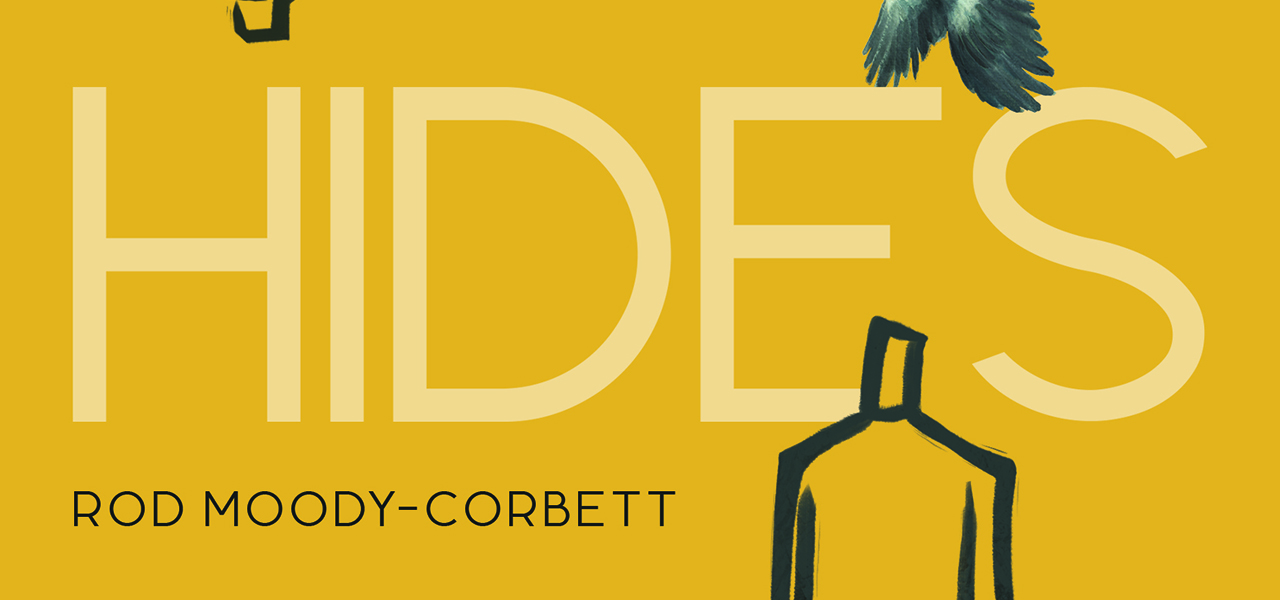
Q&A: Rod Moody-Corbett, Hides
In Malcolm Lowry’s last letter to David Markson (dispatched about a week before Lowry’s death), he offers the young Markson the best piece of writing advice I’ve ever read: “Do you know which stars are which and what bird is flying over your head and what flower blossoming? If you don’t the anguish of not knowing is a very valid field for the artist. Moreover when you learn something it’s a good thing to repossess the position of your original ignorance.” By which I understand Lowry to mean basically this: good to own the app that tells you what shrub is what, what redstart warbles where, but better, artistically, to reinhabit a noticing uncluttered by the most graspable fact.
Rod Moody-Corbett interviewed by 3:AM‘s Fiction Editor, Daniel Davis Wood.

Maps of Imaginary Towns: An Interview with SJ Bradley
Realistic characters make anything believable, even when your story’s set on another planet. Even in short fiction, it’s useful to have a full sense of your character, who they are, how they might act in any given situation. It helps that I’ve worked in so many public-facing frontline roles, and that I meet such a lot of interesting people every day at work. I’m also an avid listener of other people’s conversations, in the library and on the bus and in the street and in the supermarket. Sometimes I wear headphones so it looks like I’m not listening in, but secretly, I am. I’m a terrible ear-wigger. Never say anything important near me, because I’ll file it away somewhere and it’ll end up in a story.
Katy Wimhurst interviews SJ Bradley.

