another loss against the horns
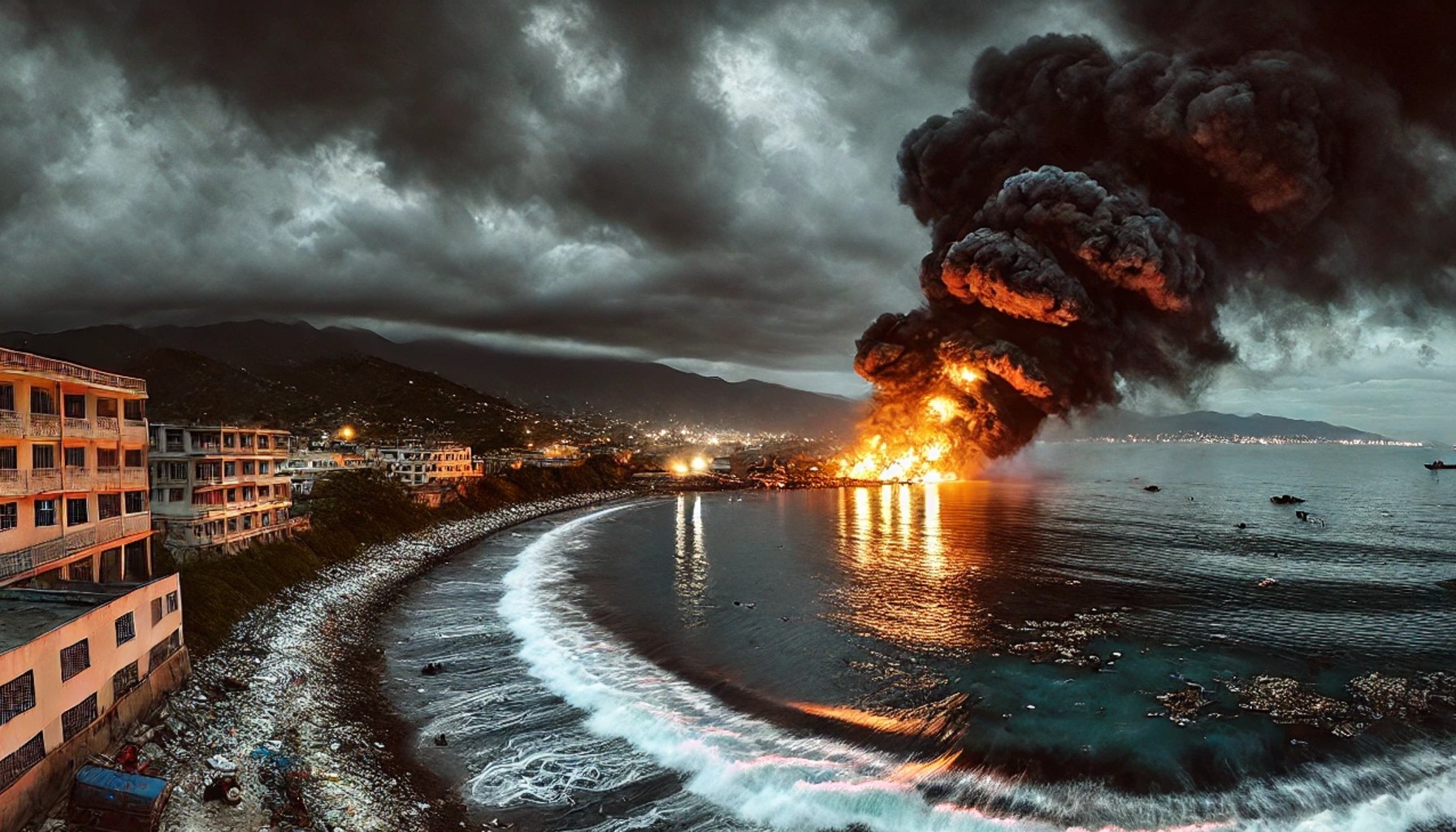
and what is a queue for the pumps—flashy, pattern motos with missing handle-grips, side-panels scratched, in colors that don’t match, loose exhausts bobbing and ticking in the heat—clogs the gas station and spills out down the road—more pothole than road—of plastic bottles crushed into black mud, hard-packed under more plastic, more mud, more plastic, more mud, more plastic—autumn leaves on a forest floor, only autumn never comes down this far: it’s every rainfall, every flash flood—the fresh forest soil long ago swept away, this is the pungency of stagnant sewage-infused black mud on which women sell coal, closed bananas, breadfruit, kowosol, watermelon and lettuce leaves…
A short story by Roy Duffield.

Déraciné
At the Holiday Inn café, having not had breakfast, he ordered steak and fries for a late lunch. It was difficult to cut the meat into bite-sized pieces with a knife, and even with the addition of salt and pepper it was flavourless and could not be fully chewed up. He poured it down his throat with the wine. It was like eating the sole of a leather shoe. Indeed, the leather soles of his wingtip shoes had been damaged by moisture. The rain never stopped falling. He was trapped by fickle weather. The droplets trickled down outside the window. The last sip of wine flowed into his stomach. The only meal of the day he had during his hotel stay. Monotonous routine like the very pulp fiction he was tired of reading.
A short story by hiromi suzuki.

Wellness
Here in Norwich the Plague has passed yet Grace says many are still unwell. This may be due to their children. They name them William and Richard and Alice and Agnes. Grace tells me the parents say to each child every night sleep well and the children sleep well but the parents are not well as far as she can tell. And me?
When I was but a girl the Plague caught me and would not let go.
My parents bless them fed me broth. They tried watermelon and kale and activated charcoal as well but alas the Plague bubbled and boiled in me and would not let go. Then my parents bless them lost all hope and laid my broken body on the wagon that takes away the unwell to rest forever in a dark distant crypt. Farewell they cried farewell.
A short story by D.J. Huppatz.

I am my father’s daughter
I was one with the cold / Moscow imparted, an import
from the old Soviet days / A mixture of mud & snow
on my western-brand boots, / as deep as my animus
after all these human years / loneliness inexpressible
since we left without him…
A short story by Stella Fridman Hayes.

I Would Like a Moustache
I would like a moustache, so I decided to perform a citizen’s arrest on the newly-appointed Secretary of State for Business and Trade. Like me, the newly-appointed Secretary of State for Business and Trade did not sleep altogether soundly. Sleeping was not one of his core skills, meaning he often went for long ruminative walks along the river at night, streets all slippery and bare, reduced threat of assassination/name-calling. I read about this on the Global Network of Interconnected Computers, Servers and Smart Appliances (also known as the Internet), the Secretary of State for Business and Trade’s sub-prime sleeping habits.
A short story by Niall Kaye.
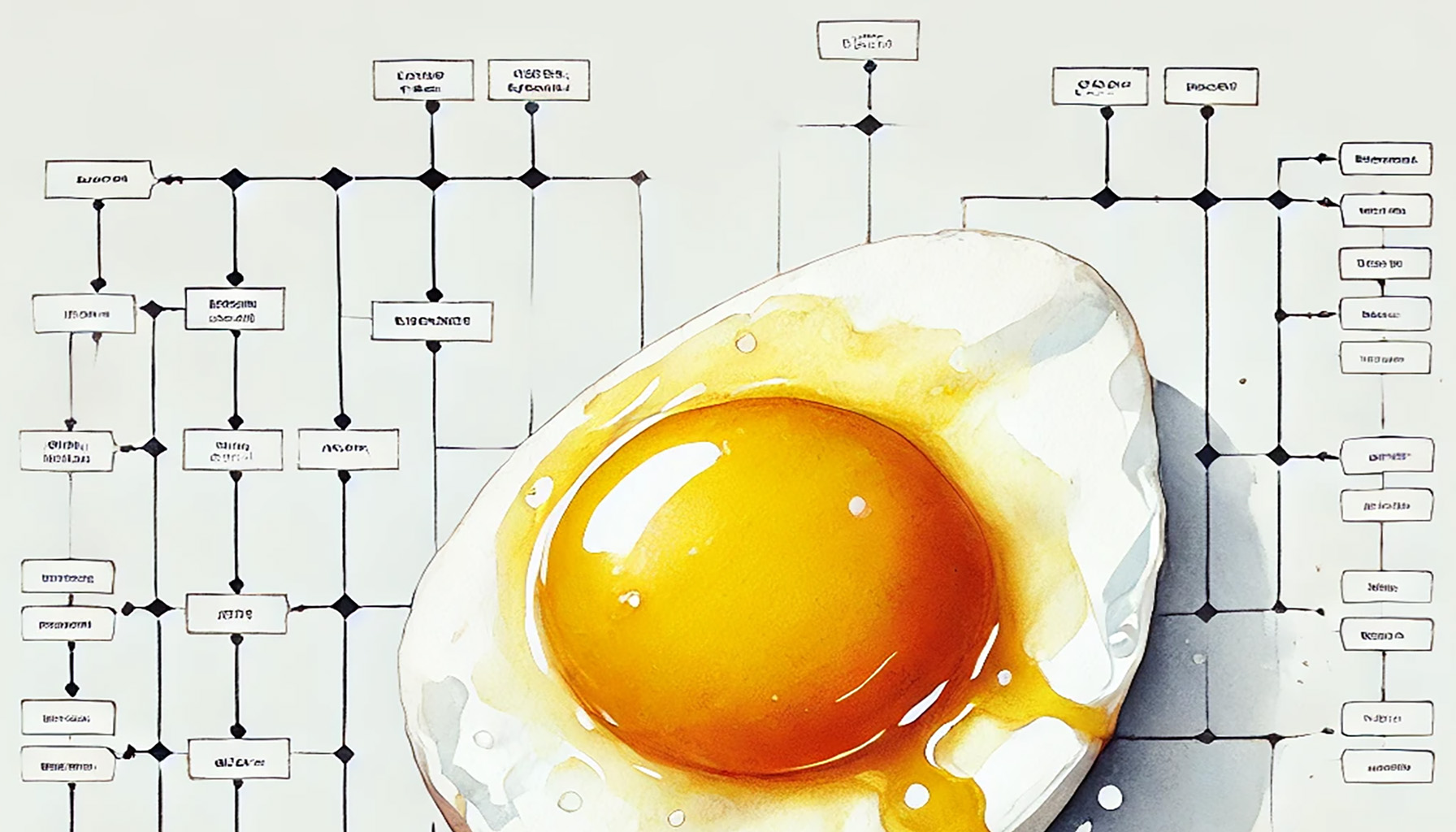
Eggs
About a month ago, my father’s aunt Sylvia told me about our way-back-when ancestor who was supposedly displaced Russian royalty. Old Vlad was shy around cattle and preachers and liked to drunkenly poeticize about the Fatherland. I couldn’t remember a time when Sylvia didn’t have a rattling glass of vodka in her hand, and when she told me that story she leaned in close, her breath reeking, and said, “That’s why I am the way I am. You can’t stop blood, can you, Muriel?”
A short story by Alicia Bones.

A Surrealism of Pure Endurance
Carrington’s animals shift, transmute, and exit human epistemologies. Vik Shirley’s deer cannot. Instead, they persist—not because they expect to change anything, but because stopping would mean total submission. This is surrealism after rupture—after escape has been foreclosed, where the only remaining act is to endure. How we bring our despair through itself into an energy that acknowledges and transforms without self-deception—this is what Shirley’s deer gesture toward; however futile their efforts may seem.
Stephen Sunderland reviews Some Deer by Vik Shirley.
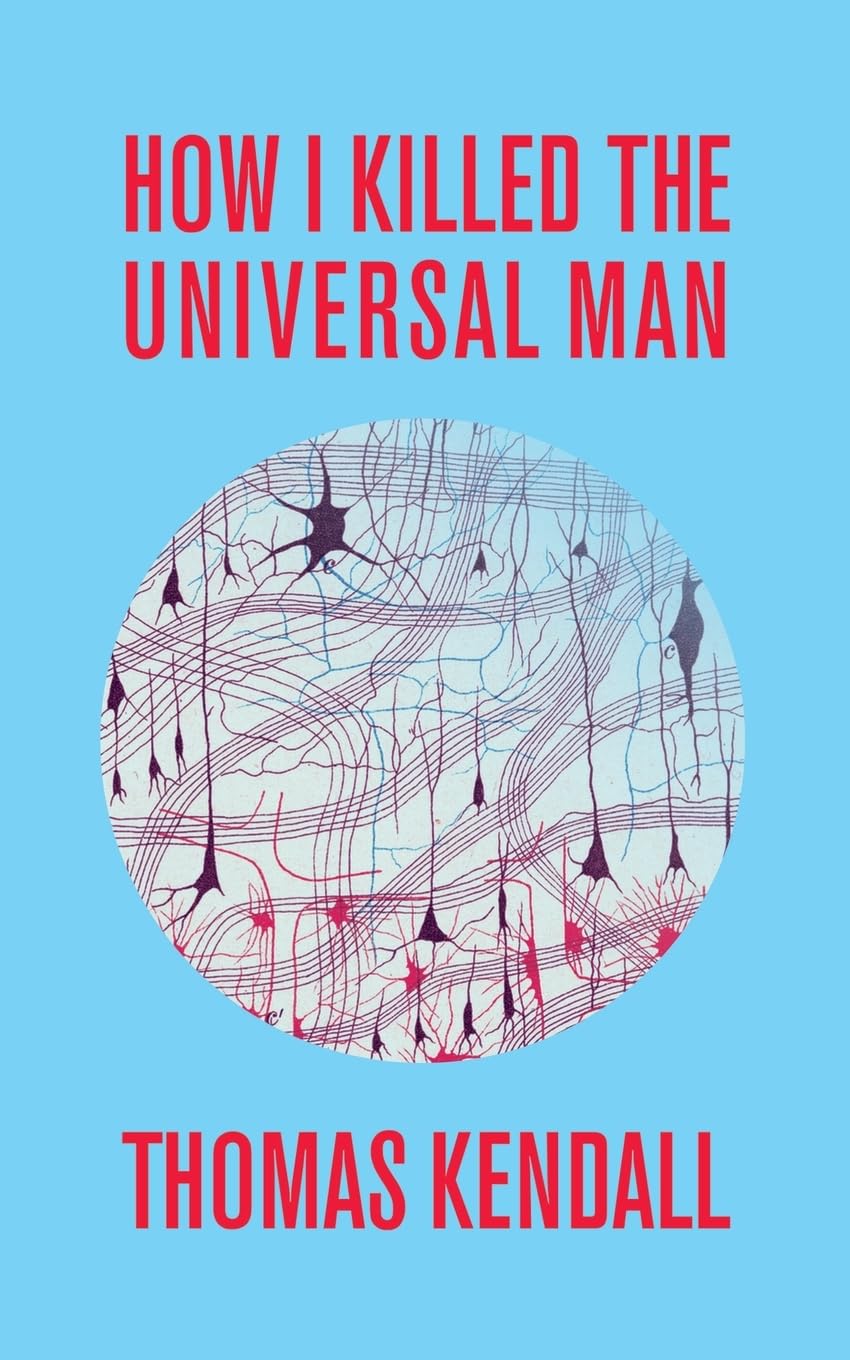
Killing the Universal Man: An Interview with Thomas Kendall
It’s like mixing a record. What are you going to foreground, what is going to sit so low in the mix that it acts subliminally? What I’m looking for in writing is language that’s concerned with what is inexpressible, which is a language moulded by pressing itself against the ineffable… I have a dream about writing a very quiet novel, one that mixes Blanchot with Marilyn Robinson or something. Maybe that will be my ‘domestic’ novel.
Thomas Kendall interviewed by Chris Kelso.

Write Me a Piece About the Poet Brian Bilston
I was late for work and in more of a mood than usual, partly because I’d just learned I’d been to school with the full-time poet Brian Bilston, who doesn’t write this kind of stuff. I’d fought with Brian back in the day, but then I’d fought with everyone back in the day so there was nothing new there. Me and Brian had been at a playdate at Kevin Hyde’s house. Kevin’s parents had looked on, perplexed – they were God-fearing people – as the fists flew. Kevin Hyde was the only black kid at school and he fought as well, because he had to, at least until it all got too much for him after he got involved with the wrong people in Manchester.
By Charlie Hill.

Buck the Undertaker
Call comes in on the phone. Now just what is this, Buck thinks. Who the hell could that be, Buck thinks. Ain’t took a call in years, he says. Room got real still after that, like the room was listening to Buck. Room ain’t heard Buck speak in years, room thinks.
A short story by Matthew Dix.
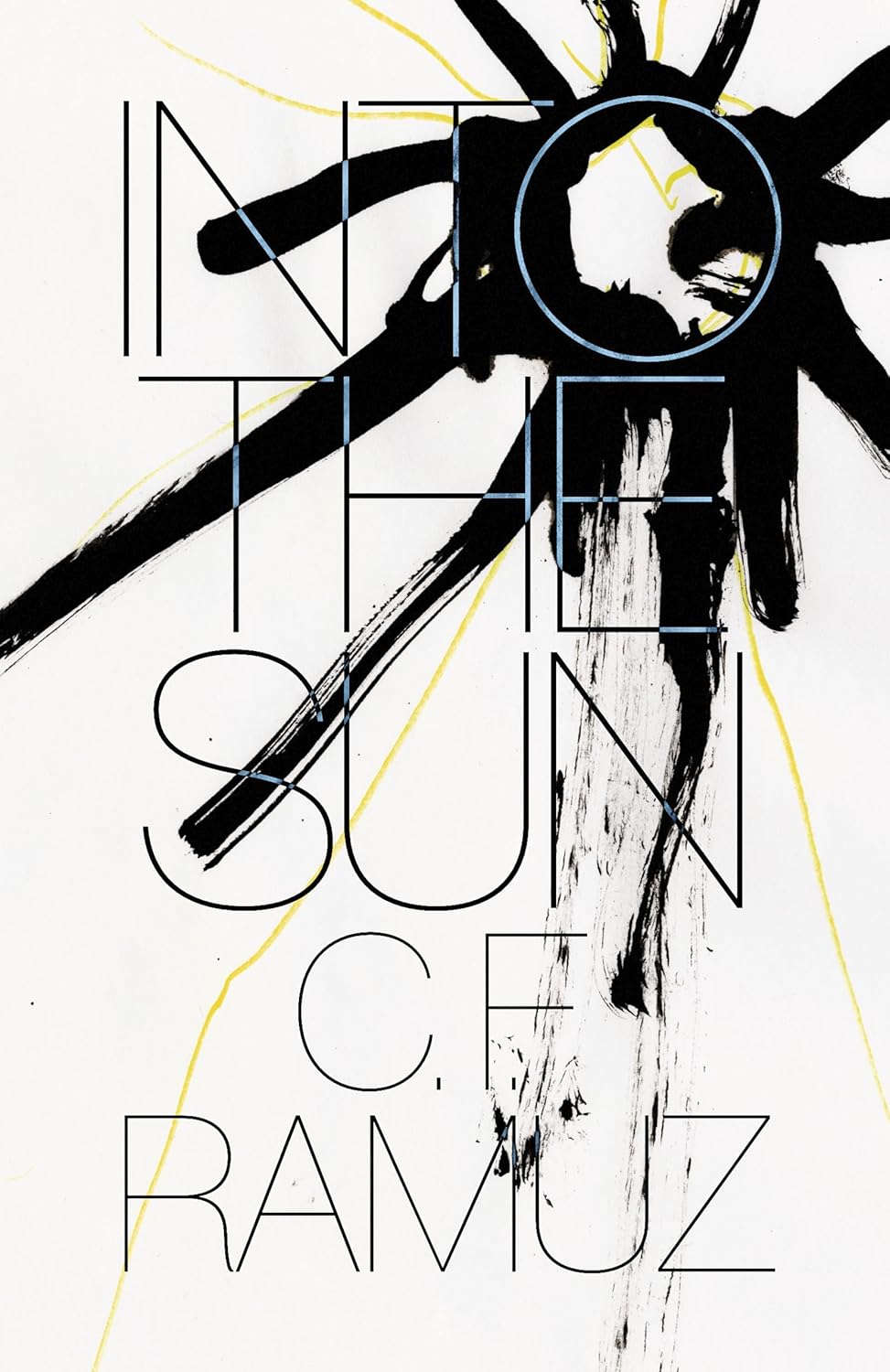
Into the Sun
In about seven and a half billion years, the Earth will lose its orbital energy and drop into the path of the sun, putting an end to our little planet’s life. But what if this happened next month? “Because of an accident within the gravitational system,” C.F. Ramuz coolly informs us on the second page of Into the Sun, his 1922 novel of fiery apocalypse, “The Earth is rapidly plunging into the sun.” In case you weren’t sure what that means for us, Ramuz minces no words about our ultimate fate…
Max Callimanopulos reviews Into the Sun by C.F. Ramuz.